


The steel manufacturing industry forms the backbone of infrastructure, construction, automotive, power, and heavy engineering sectors. Every stage of steel production, from raw material handling to finished product dispatch, depends on precise, durable, and high-performance equipment. Modern plants demand solutions that support continuous operations, withstand extreme temperatures, manage heavy loads, and maintain dimensional accuracy under stress. Choosing the right equipment is not only about productivity but also about operational stability, safety, and long-term cost control.
Understanding the Operational Demands of Steel Manufacturing Plants
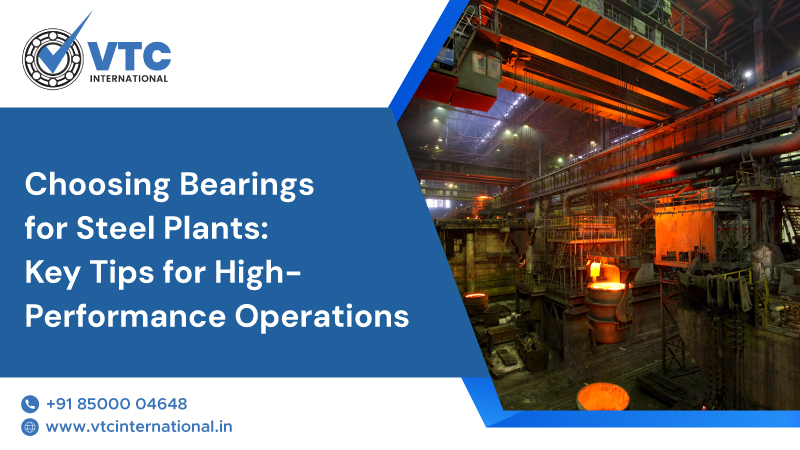
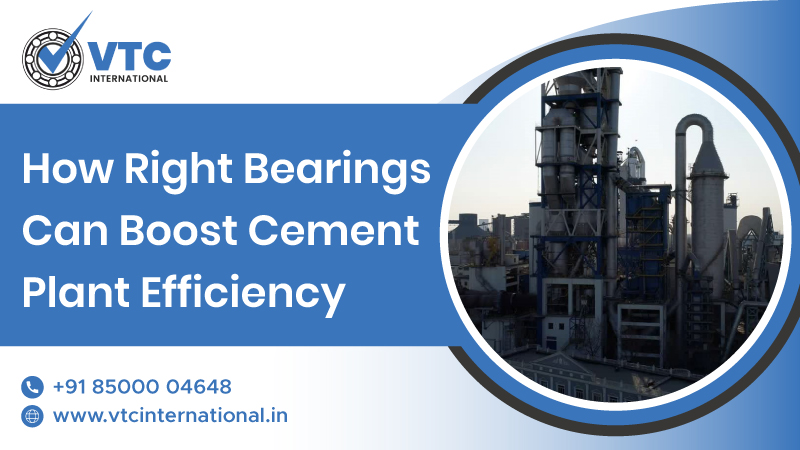
Steel plants operate in some of the harshest industrial environments. Equipment faces continuous exposure to dust, vibration, high rotational speeds, heavy radial and axial loads, and elevated temperatures. Production lines run for long hours, making component durability a key priority. Equipment failures lead to unplanned shutdowns, production losses, and increased maintenance costs.
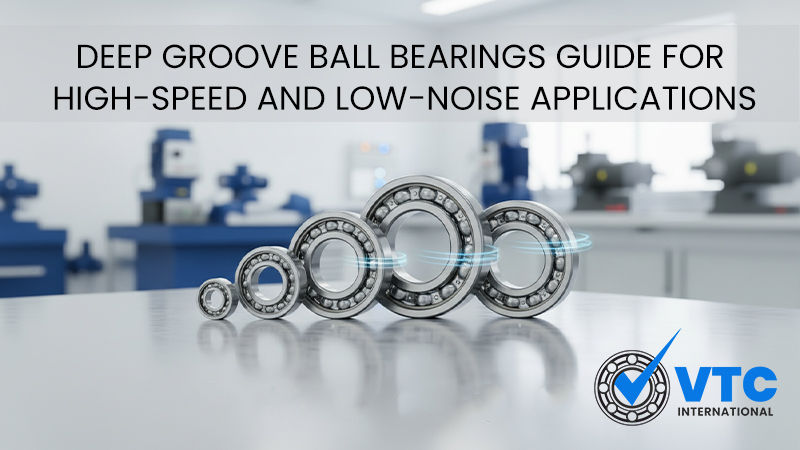
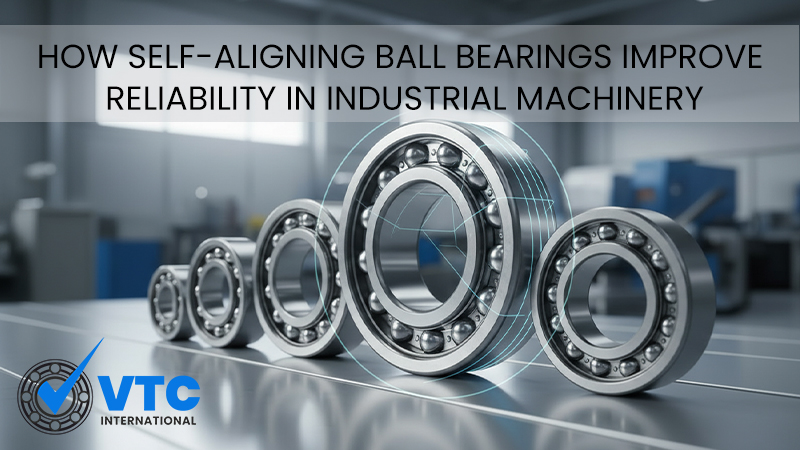
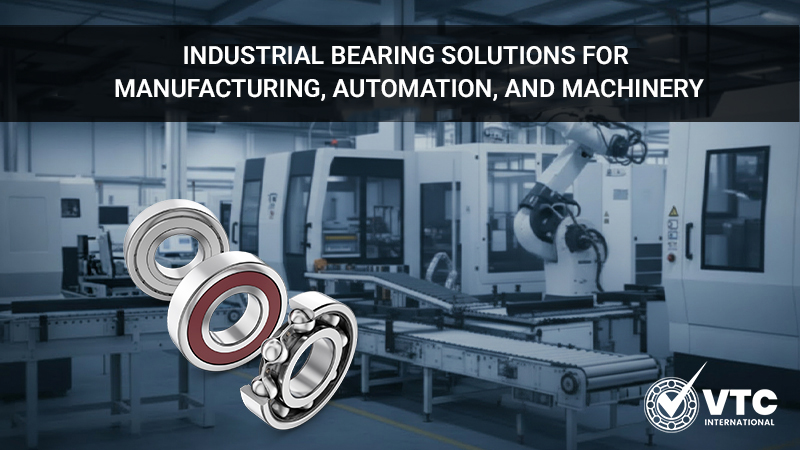
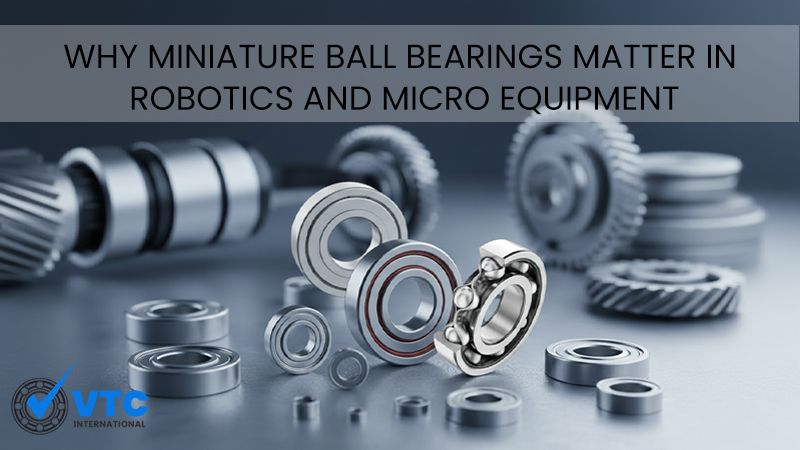
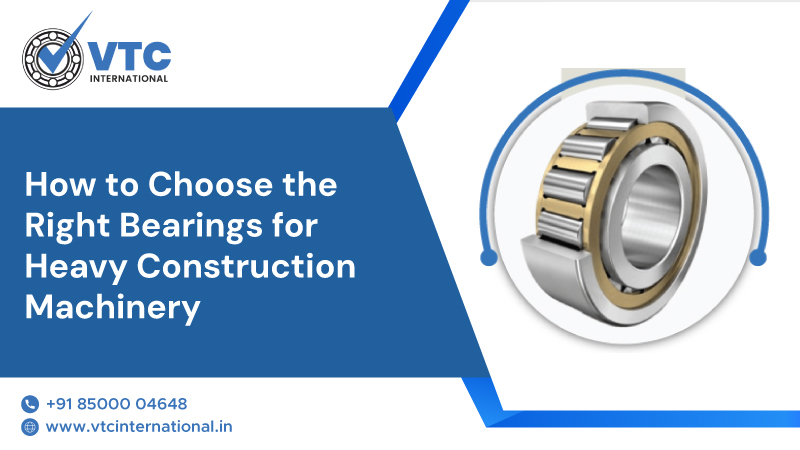
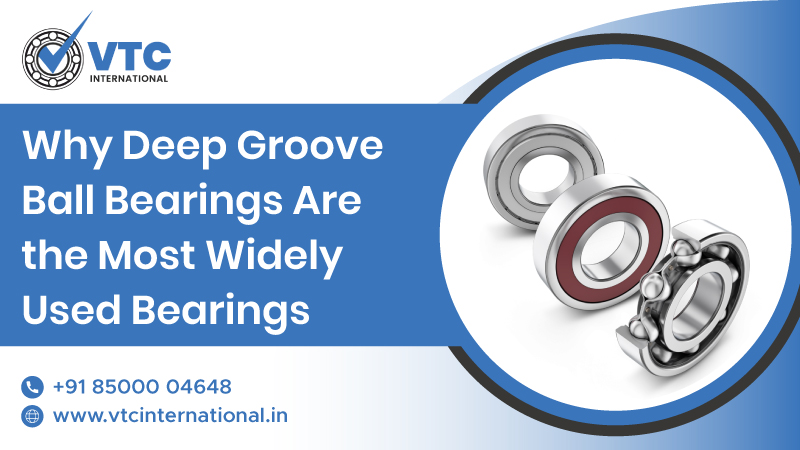
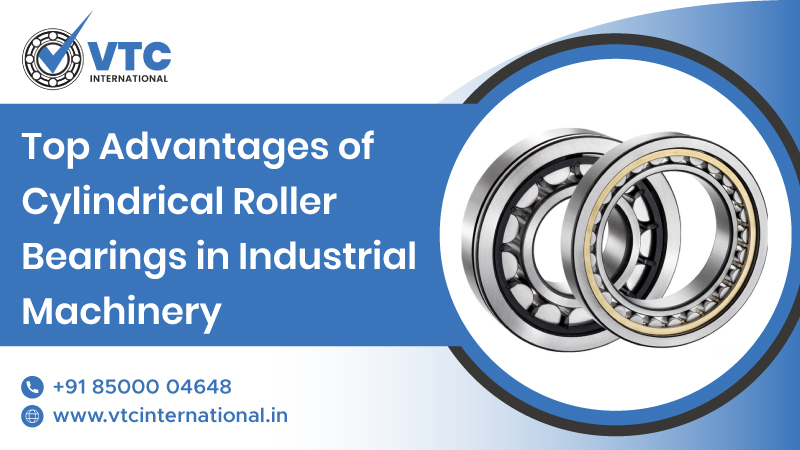
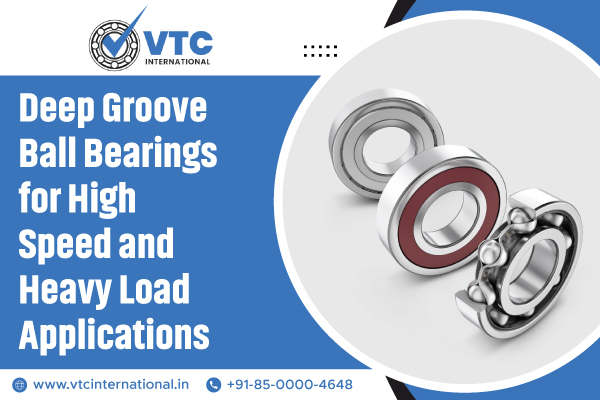
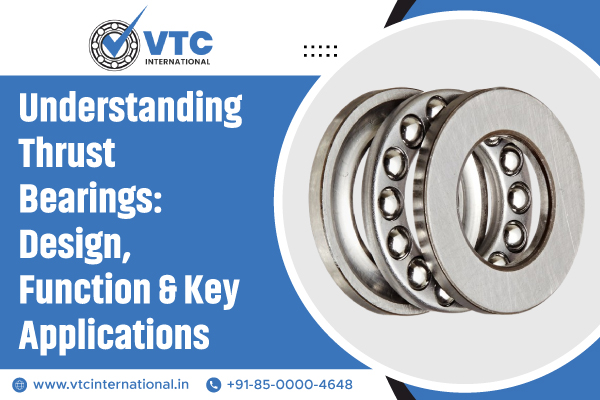
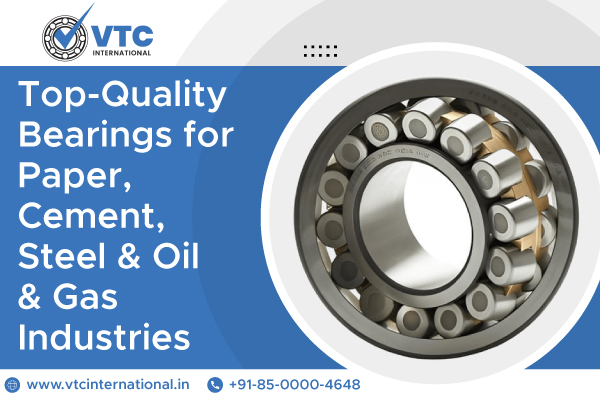
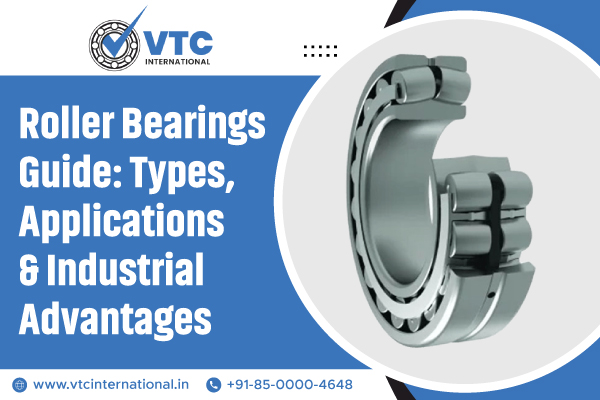
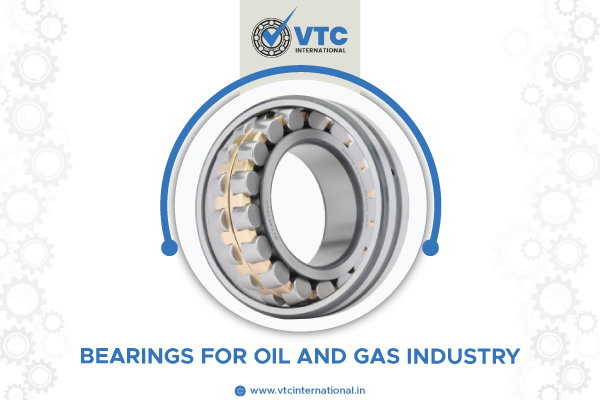
To manage these challenges, steel manufacturers rely on robust mechanical components that maintain accuracy under pressure. Equipment must support rolling mills, continuous casting machines, furnaces, conveyors, crushers, and material handling systems. Among all components, Bearings for the Steel Industry play a vital role because they directly influence motion control, load distribution, and mechanical reliability.
Core Equipment Categories in Steel Manufacturing Plants
Raw Material Handling Equipment
Steel production begins with the movement and preparation of raw materials such as iron ore, coal, limestone, and scrap. Conveyors, crushers, stackers, reclaimers, and feeders form the foundation of this stage. These systems require heavy-duty components that can operate under shock loads and dusty environments.
Bearings used in raw material handling must manage high loads and vibration without compromising alignment. High-quality Bearings for the Steel Industry support conveyor rollers, pulleys, and crusher shafts, allowing consistent material flow and reducing mechanical stress on drive systems.
Furnaces and Thermal Processing Systems
Blast furnaces, induction furnaces, reheating furnaces, and ladle furnaces represent the thermal heart of steel plants. Equipment in these zones operates under intense heat, scale formation, and continuous load cycles. Fans, blowers, rotating mechanisms, and charging systems must maintain stability at elevated temperatures.
Specialized Bearings for the Steel Industry are used in furnace fans, exhaust systems, and rotating assemblies. These bearings are engineered to handle heat expansion, lubrication challenges, and long operating cycles while maintaining performance accuracy.
Rolling Mill Equipment
Rolling mills shape steel into plates, bars, coils, and structural sections. This process involves high speeds, extreme pressures, and precision control. Mill stands; work rolls, backup rolls, and gearboxes operate continuously under fluctuating loads.
Rolling mills depend heavily on Bearings for the Steel Industry to support roll rotation, manage axial movement, and maintain dimensional stability. Precision bearings reduce vibration, enhance surface finish, and support consistent product quality across long production runs.
Continuous Casting Machines
Continuous casting transforms molten steel into slabs, billets, or blooms. This process requires synchronized motion, accurate alignment, and thermal resistance. Oscillators, rollers, and withdrawal units operate under combined mechanical and thermal stress.
Reliable Bearings for the Steel Industry used in casting rollers and oscillation systems help maintain smooth movement, prevent misalignment, and support controlled solidification of steel. Stable bearing performance directly influences surface quality and casting accuracy.
Material Handling and Transfer Systems
Cranes, hoists, transfer cars, and ladle handling systems move heavy steel products across plant areas. These systems handle extreme loads and demand high safety standards. Mechanical components must support repeated lifting cycles and directional changes.
Heavy-load Bearings for the Steel Industry allow cranes and transfer systems to operate smoothly while managing axial and radial forces. Their reliability supports safe operations and minimizes mechanical downtime in material movement.
Importance of Bearings in Steel Manufacturing Operations
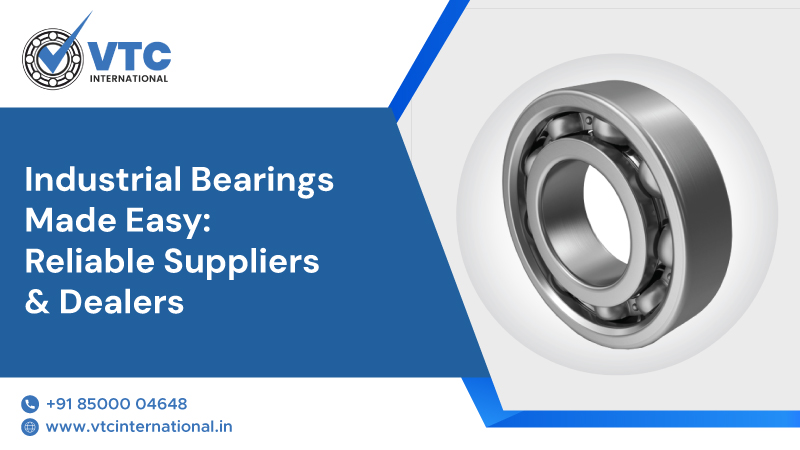
Bearings form the foundation of motion systems across steel plants. Their primary role is to reduce friction, support rotating shafts, and manage load distribution. In steel manufacturing, bearing failure can halt entire production lines.
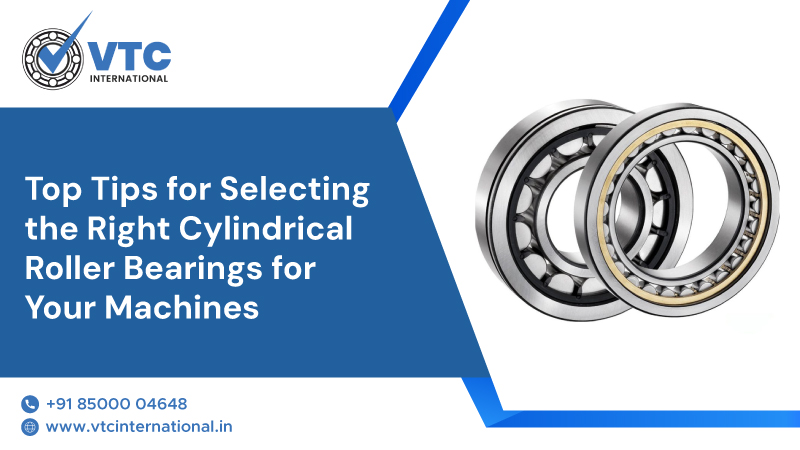
Bearings for the Steel Industry are engineered for high load capacity, thermal resistance, contamination control, and long service life. Their performance influences energy efficiency, vibration control, and mechanical accuracy. Selecting suitable bearing types supports stable equipment performance across all plant sections.
Maintenance and Reliability Considerations
Equipment reliability depends on correct installation, lubrication practices, alignment accuracy, and routine monitoring. Steel plants follow predictive and preventive maintenance strategies to reduce unplanned failures.
Using high-quality Bearings for the Steel Industry supports maintenance efficiency by offering predictable performance and longer service intervals. Proper bearing selection also reduces heat generation, vibration levels, and wear patterns across mechanical systems.
Why Choose Us
VTC International stands out for its industry-focused approach and commitment to delivering dependable equipment solutions for steel manufacturing plants. The company prioritizes technical understanding, application suitability, and product reliability rather than generic offerings. With consistent support, clear product knowledge, and a focus on long-term operational performance, VTC International builds strong relationships with steel manufacturers seeking stability, efficiency, and confidence in their equipment investments.
Conclusion
Steel manufacturing plants rely on integrated equipment systems that operate under demanding conditions. From raw material handling to rolling and casting, every process depends on durable and application-specific components. Among these, Bearings for the Steel Industry directly influence equipment reliability, production continuity, and product quality. Selecting the right equipment solutions supports operational stability and cost control. With industry understanding and dependable offerings, VTC International contributes to efficient steel manufacturing operations through focused equipment support and technical clarity.
More information about Steel Manufacturing Plant Contact us at +91 8500004648 or email sales@vtcinternational.in
Key Takeaways
- Steel manufacturing plants operate under extreme conditions, making durable and application-specific equipment essential for uninterrupted production.
- From raw material handling to rolling mills and casting units, every stage relies on precision components to maintain productivity and safety.
- Bearings for the Steel Industry play a critical role in managing heavy loads, high temperatures, vibration, and continuous operations across plant equipment.
- Proper equipment selection directly impacts operational stability, maintenance efficiency, and long-term cost control in steel plants.
- VTC International provides industry-focused equipment solutions that align with the demanding requirements of modern steel manufacturing environments.
FAQs
Why is equipment selection critical in steel manufacturing plants?
Equipment operates under extreme loads and temperatures, making durability and application suitability essential for stable production.
How do bearings impact steel plant performance?
Bearings support motion control, load management, and vibration reduction across critical machinery.
What applications Bearings use for the Steel Industry?
They are used in rolling mills, furnaces, conveyors, cranes, and continuous casting systems.
How does VTC International support steel manufacturers?
VTC International provides application-focused industrial components backed by technical understanding and consistent support.
What should plants consider for long-term equipment reliability?
Proper component selection, maintenance planning, and reliable suppliers contribute to sustained operational performance.