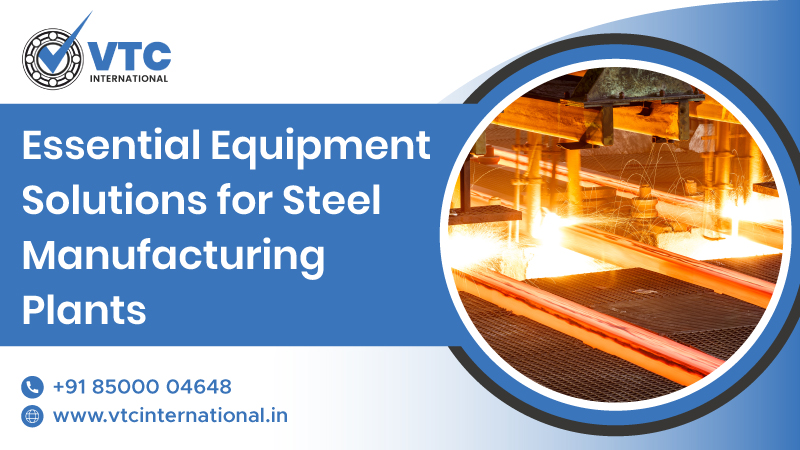


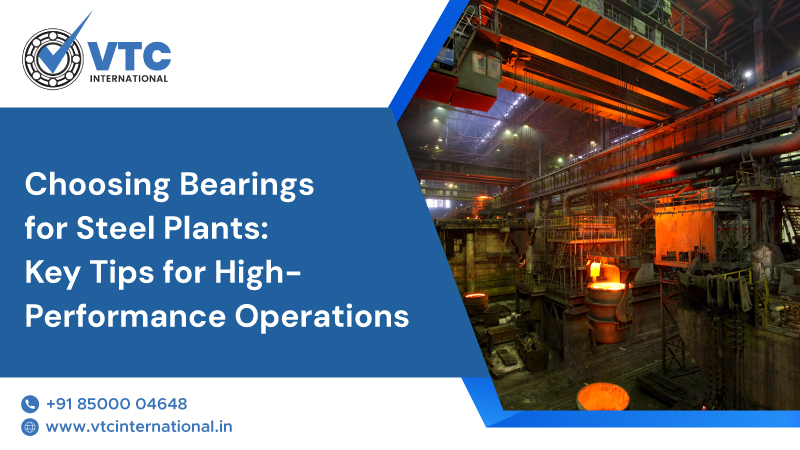
Steel plants operate in one of the most demanding industrial environments. Extreme temperatures, heavy loads, continuous operation, dust, moisture, and vibration place enormous stress on every mechanical component. Among these components, bearings play a critical role in maintaining smooth motion, reducing friction, and supporting heavy machinery across the steel production process. Selecting the right bearings is not a simple procurement task; it directly impacts productivity, equipment lifespan, maintenance costs, and operational safety.
Understanding the Role of Bearings in Steel Plants
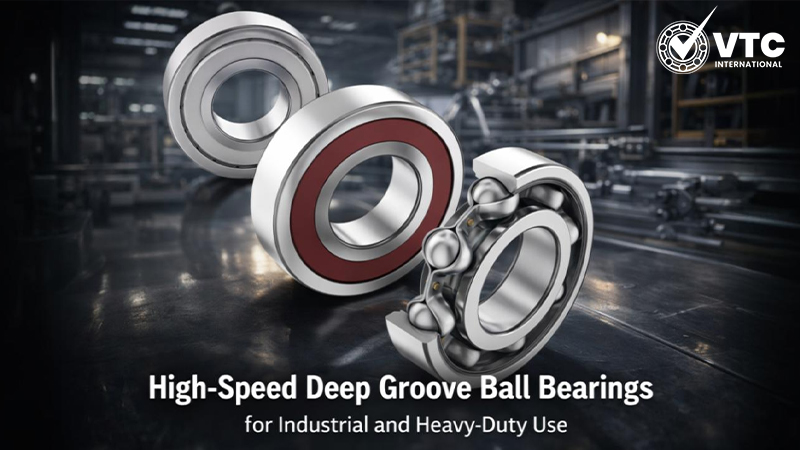
Bearings are used throughout steel plants in applications such as rolling mills, continuous casting machines, conveyors, gearboxes, crushers, fans, pumps, and material-handling systems. These applications demand components that can perform under high loads and harsh conditions without compromising precision or stability. In steel manufacturing, downtime can be extremely expensive. A single bearing failure can halt an entire production line, affect output schedules and increase operational losses. This is why Bearings for the Steel Industry must be selected with a deep understanding of operating conditions, load requirements, and environmental challenges. High-performance bearings reduce friction, manage radial and axial loads, and help machines operate at optimal speeds. When correctly chosen, they also reduce vibration, noise, and energy consumption, which contributes to overall plant efficiency.
Key Operating Challenges in Steel Manufacturing
Challenges in steel and metal industries Before making a choice on bearings, it is worthwhile to know the challenges that are peculiar to steel industriousness: Steel plants have bearings that are subjected to the hot furnace and the hot rolling. Rolling mills and crushers are associated with heavy shock loads. Bearing surfaces may be contaminated by dust, scale, and moisture created during the cooling processes. Consecutive operations are 24/7, meaning that there is not much time to perform routine servicing or even a replacement. These circumstances render standard bearings inappropriate to numerous steel plant applications. Rather, Metal Industry Bearings need to have its own specialized Bearings that can perform and be durable. The selection of bearings without focusing on these aspects tends to create early wear, lubrication, and unpredictable failures.
Load Capacity and Performance Requirements
Load capacity is one of the most significant considerations that should be made when selecting bearings to be used in steel plants. The machinery used in steel production is in most cases loaded with very heavy loads, both static and dynamic. These loads should be carried by bearings without deformation or excessive wear. The knowledge of the size and orientation of loads is used to choose the appropriate type and size of bearing. Radial loads prevail in rolling-mills and conveyors, and the axial loads are prevalent in vertical equipment. Combined loads are used in many applications, and bearings that are able to accommodate both effectively are needed. The High-load Bearings in metal Industry are developed using advanced materials and streamlined internal geometry that ensures the stability and performance even when operating under extreme stress.
Temperature Resistance and Material Selection
Steel plants are heated in nature, especially around furnaces, casting areas and hot rolling areas. Bearings employed in these systems should be of a hard nature, stable in dimensions, and lubricating even at a high temperature. Enhancement of bearing life is normally done using special heat-treated steels, advanced alloys, and high-temperature lubricants. Correct choice of material would avoid problems of softening, cracking, or breakdown of lubricants. Reliable Bearings to the Steel Industry are thermal resistant designed to ensure that it operates continuously without losing its performance.
Contamination Protection and Sealing Solutions
Dust, scale, water, and chemical residues are unavoidable in steel manufacturing environments. These contaminants can enter bearings and cause abrasion, corrosion, and lubrication failure. Effective sealing solutions are essential to protect bearings from external contaminants. Labyrinth seals, contact seals, and shielded designs are commonly used depending on application requirements. High-quality Bearings for metal Industry integrate robust sealing systems that extend service life and reduce maintenance frequency, even in highly contaminated conditions.
Alignment, Installation, and Maintenance Considerations
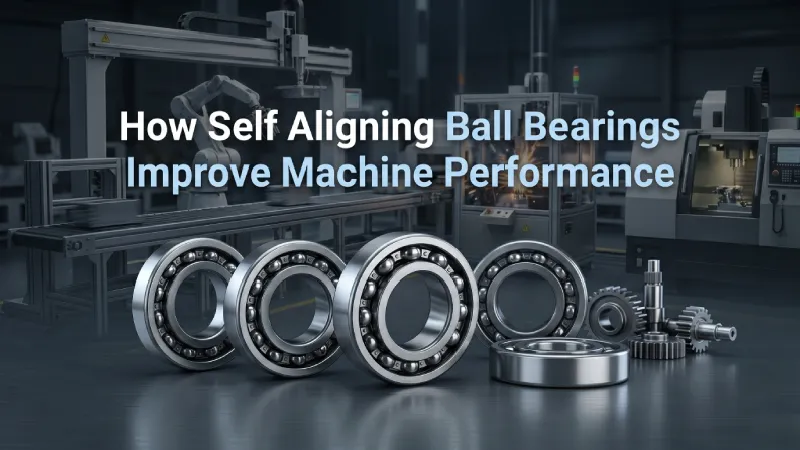
Even the highest-quality bearings can fail if installation and alignment are incorrect. Steel plant machinery often operates under conditions that can cause shaft deflection and misalignment. Bearings with self-aligning capabilities are widely used to compensate for these challenges. Proper mounting techniques, correct clearances, and regular condition monitoring further enhance bearing performance. Maintenance teams working with Bearings for Metal Industry benefit from training, technical support, and reliable supply partners to maintain consistent operational efficiency.
Importance of Supplier Expertise and Quality Standards
Partnering with the right supplier is just as crucial as choosing the right bearing itself. A reliable supplier understands the unique demands of steel manufacturing and offers products that meet international quality standards. A trusted partner provides technical guidance, application-specific recommendations, and consistent product availability. This reduces procurement risks and supports long-term plant performance.
Why Choose Us
VTC International stands out as a trusted partner for industrial bearing solutions because of its deep understanding of steel plant operations, strong product portfolio, and commitment to quality. VTC International works closely with clients to recommend application-specific bearings that match load, temperature, and environmental requirements. With reliable sourcing, technical expertise, and customer-focused service, VTC International supports long-term operational success across steel and metal industries.
Conclusion
Selecting the right bearings for steel plants requires careful evaluation of load conditions, temperature exposure, contamination risks, lubrication needs, and maintenance practices. Steel manufacturing demands components that perform reliably under constant stress and harsh environments. High-quality bearings contribute directly to productivity, safety, and cost control. By choosing specialized Bearings for the Steel Industry and Bearings for Metal Industry, steel plants can reduce downtime and extend equipment life. Partnering with an experienced supplier like VTC International helps steel manufacturers achieve stable, high-performance operations and long-term operational confidence.
Looking for expert guidance on choosing bearings for steel plants? Call us at +91 8500004648 or email sales@vtcinternational.in.
key takeaways: –
- Bearings Are Critical for Steel Plant Efficiency – High-quality bearings reduce friction, manage heavy radial and axial loads, and ensure smooth operation of machinery, directly impacting productivity and energy consumption.
- Specialized Bearings Handle Harsh Steel Plant Conditions – Bearings designed for steel plants withstand extreme temperatures, contamination from dust and scale, heavy shock loads, and continuous 24/7 operation.
- Correct Bearing Selection Extends Equipment Life – Choosing the right type, material, and design for rolling mills, conveyors, crushers, and gearboxes minimizes wear, vibration, and unplanned downtime.
- Sealing, Lubrication, and Installation Are Essential – Effective seals, appropriate lubrication strategies, precise mounting, and alignment are critical to bearing longevity and reliable performance.
- Partnering with Experienced Suppliers Ensures Reliability – Working with knowledgeable suppliers like VTC International provides authentic products, technical guidance, and application-specific solutions, supporting consistent, high-performance steel plant operations.
FAQs
Why are specialized bearings required for steel plants?
Steel plants operate under high loads, extreme temperatures, and heavy contamination. Specialized bearings are designed to handle these conditions reliably.
Which types of bearing are commonly used in rolling mills?
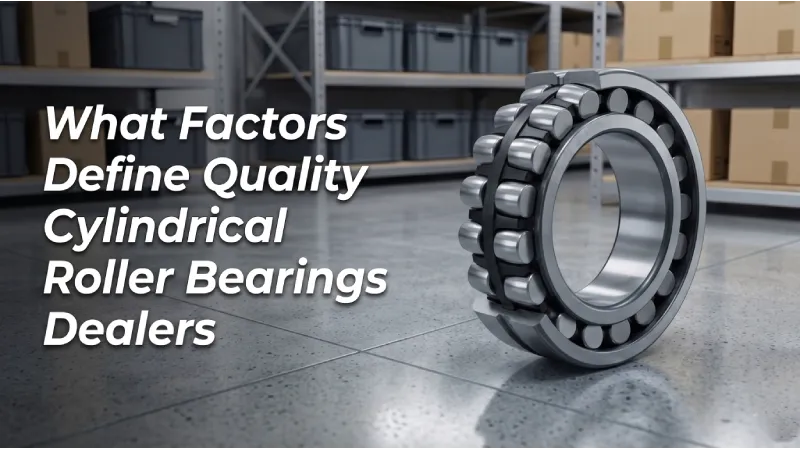
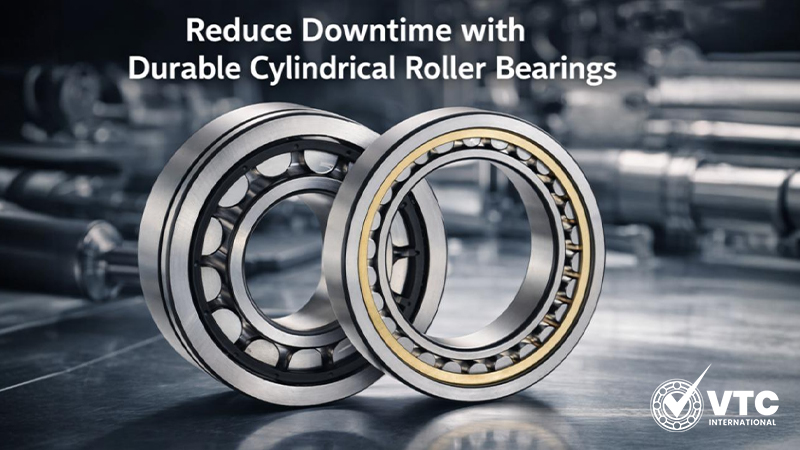
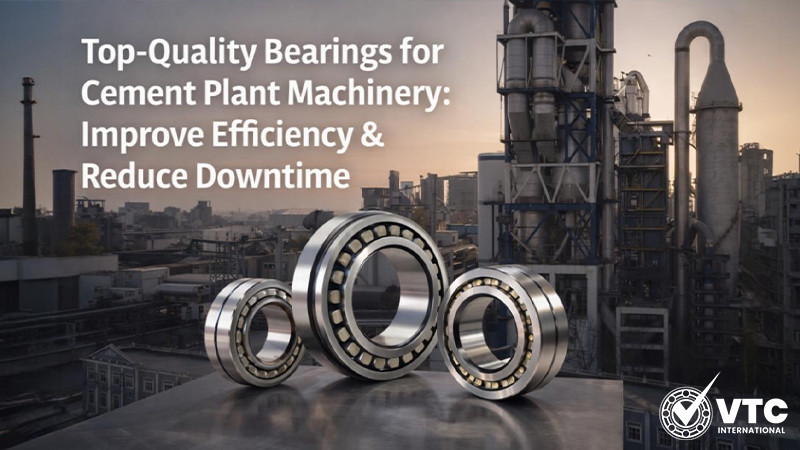
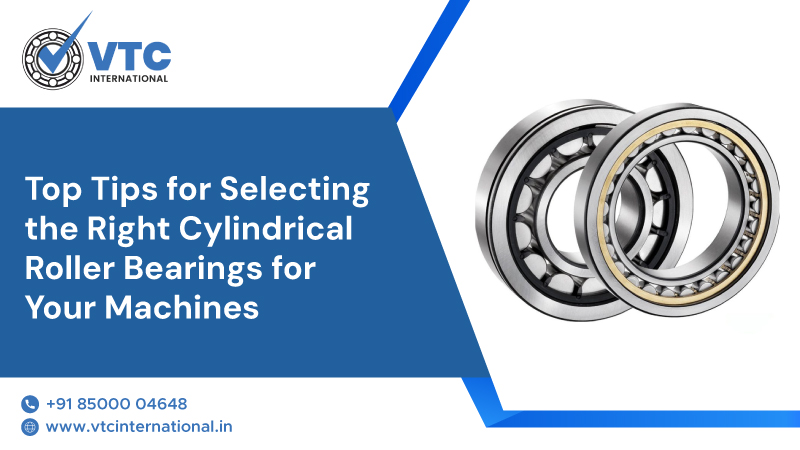
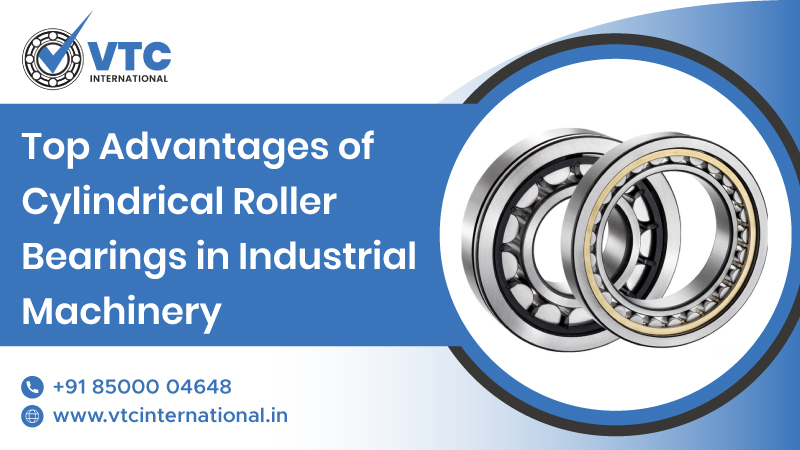
Spherical roller bearings and cylindrical roller bearings are widely used due to their high load capacity and durability.
How does temperature affect bearing performance in steel plants?
High temperatures can reduce material strength and lubrication effectiveness, making heat-resistant bearings essential.
What role do seals play in steel plant bearings?
Seals protect bearings from dust, scale, and moisture, which helps extend service life and maintain performance.
How can the right bearing supplier improve plant reliability?
An experienced supplier provides technical support, quality products, and application-specific solutions, reducing downtime and maintenance challenges.