

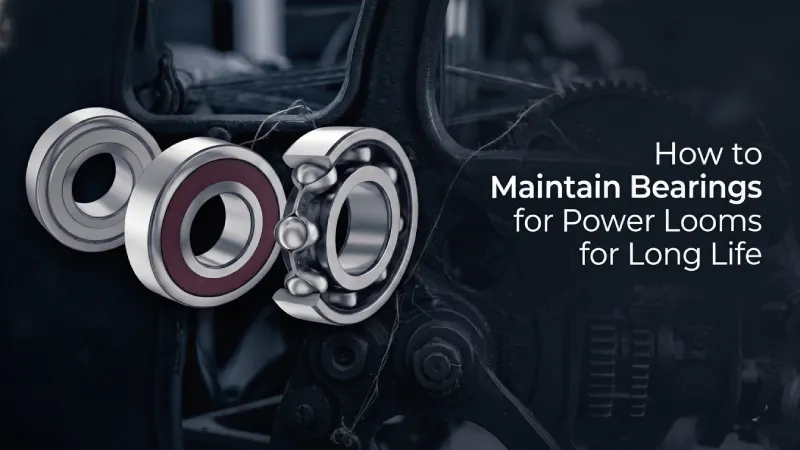
In the textile industry, the efficiency and reliability of machinery define productivity and profitability. Among the most critical components in weaving operations are bearings. Proper care and maintenance of Bearings for Power Looms directly impact on machine performance, fabric quality, and operational costs. Without consistent maintenance practices, even the Best Bearings for Power Looms can fail prematurely, leading to unexpected downtime and financial losses.
Understanding the Role of Bearings in Power Looms
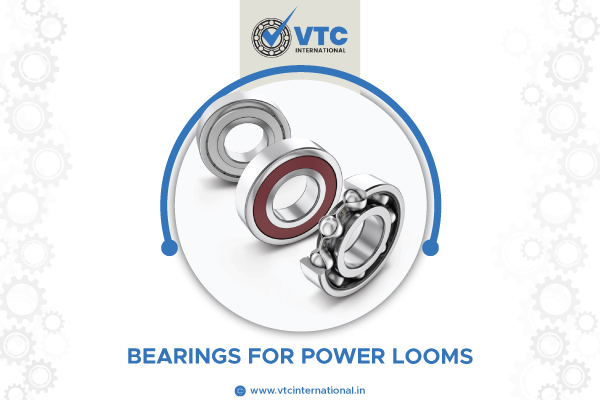
Bearings are critical mechanical parts that enable rotating shafts, minimize friction, and manage loads in operation. They facilitate the easy movement of several components in power looms like rollers, shafts and gears. Quality Bearings used in Power Looms are easily able to endure constant use, high rates, and demanding environmental factors. But even the Best Bearing of Power Looms needs to be maintained. Dust, vibration, misalignment, and incorrect lubrication can greatly decrease their life span. The first step to their maintenance is to understand their role.
Common Causes of Bearing Failure
Before the discussion of maintenance techniques, it is necessary to specify what causes bearing damage:
1. Poor Lubrication
Inadequate or improper lubrication results in more friction and heat production. This is one of the most common reasons why Bearings for Power Looms fail.
2. Contamination
Dust, lint, and moisture are common in textile environments. These pollutants may get into bearings and get worn or corroded.
3. Misalignment
Poor installation or a misalignment of the shaft causes unequal strain on bearings, lowering their performance.
4. Overloading
When bearings are used in excess of their carrying capacity, they will have a bearing on performance and life expectancy, though they may be thought of as the Best Bearings on Power Looms.
5. Improper Handling
Bearing surfaces may be damaged during the course of incorrect storage or rough handling during installation.
Best Practices for Maintaining Bearings
Regular Inspection
Regular check-ups are essential in detecting wear or damage at the earliest. Check on any strange sounds, vibrations, or overheating. Major breakdowns are avoided with early detection. The Bearings of Power Looms in a good state of repair are smooth and silent. Any aberration must be dealt with at the earliest opportunity to prevent progressive harm.
Proper Lubrication
Lubrication plays a key role in reducing friction and heat. Use the correct type and quantity of lubricant recommended for your specific application.
- Avoid over-lubrication, as it can cause overheating
- Replace old lubricant periodically
- Use high-quality lubricants compatible with the Best Bearings for Power Looms
The due lubrication does not only increase the life of the bearings but also enhances the efficiency of the whole machine.
Keep Bearings Clean
- In keeping bearings, cleanliness is a necessity. The textile environment produces lint and dust that can readily get into bearing housing.
- Use protective seals and covers
- Clean surrounding areas regularly
- Avoid exposing Bearings for Power Looms to moisture
Even under extreme conditions, clean bearings are superior in performance and have longer life.
Correct Installation
One of the causes of bearing failure is improper installation. Always use manufacturer instructions when installing.
- Use proper tools
- Avoid hammering directly on bearings
- Maintain correct alignment
Even the Best Bearings for Power Looms can fail quickly if installed incorrectly.
Monitor Temperature and Vibration
Two important markers of bearing health are temperature and vibration. Excessive heat or vibration often signals underlying issues.
- Use monitoring tools if available
- Check for unusual patterns
- Take immediate action when abnormalities are detected
3Maintaining stable operating conditions improves the lifespan of Bearings for Power Looms.
Timely Replacement
No bearing lasts forever. Replacing worn-out bearings at the right time prevents damage to other machine components.
- Keep track of operating hours
- Replace bearings before complete failure
- Use only the Best Bearings for Power Looms for replacements
Timely replacement reduces downtime and repair costs.
Storage and Handling Tips
Proper storage is often overlooked but plays a significant role in bearing performance.
- Store bearings in a dry and clean environment
- Keep them in original packaging until use
- Avoid exposure to dust and moisture
Careful handling preserves the quality of Bearings for Power Looms before installation.
Maintenance Schedule for Power Loom Bearings
Creating a maintenance schedule helps maintain consistency and prevents unexpected failures.
Daily Checks
- Inspect for noise and vibration
- Check lubrication levels
Weekly Checks
- Clean surrounding areas
- Inspect seals and covers
Monthly Checks
- Re-lubricate if required
- Check alignment
Annual Maintenance
- Replace worn bearings
- Conduct detailed inspection
Following a structured schedule keeps Bearings for Power Looms in optimal condition.
Benefits of Proper Bearing Maintenance
Maintaining bearings offers several advantages:
- Increased machine lifespan
- Reduced downtime
- Improved fabric quality
- Lower operational costs
- Better productivity
Even the Best Bearings for Power Looms deliver maximum value only when maintained properly.
Why Choose Us
VTC International is a reputable brand in the world of textiles, which has been providing high-performing solutions to the current need for weaving. Having years of experience and a profound knowledge of the machinery’s parts, VTC International offers high-quality products that are reliable and durable, with applications that require high demand. This is because of our emphasis on quality, precision and customer satisfaction. By selecting VTC International, you invest in products that help to ensure long-term performance and operational efficiency that make your business more competitive and reliable.
Conclusion
Bearing in power looms is not simply a routine operation; it is a vital practice that has a direct effect on the efficiency and longevity of machines. It can begin with proper lubrication and regular checkups all the way to proper installation and replacement all leads to improved performance. When the Best Bearings of Power Looms are invested in, and carefully maintained, the same results will be constant production, and the least time of interruption. Adhering to such maintenance practices, textile industries may attain a better productivity level, reduced costs, and extended machinery life, which makes bearing care a crucial component of the successful functioning of looms.
Looking for expert guidance on maintaining bearings for power looms? Contact VTC International today at +918500004648 or email sales@vtcinternational.in
key takeaways:
- Regular Maintenance Prevents Costly Failures
Consistent inspection and care of Bearings for Power Looms help detect issues early, reducing unexpected breakdowns and expensive downtime. - Proper Lubrication is Critical for Performance
Using the right type and amount of lubricant minimizes friction, prevents overheating, and significantly extends bearing lifespan. - Cleanliness and Contamination Control Matter
Dust, lint, and moisture in textile environments can damage bearings, so keeping them clean and protected is essential for long-term efficiency. - Correct Installation and Alignment Ensure Longevity
Improper installation or misalignment can lead to uneven load distribution and early failure—even with the Best Bearings for Power Looms. - Structured Maintenance Schedule Improves Productivity
Following daily, weekly, monthly, and annual maintenance routines ensures smooth operation, better fabric quality, and lower operational costs.
Frequently Asked Questions
How often should bearings in power looms be lubricated?
Lubrication frequency depends on usage and operating conditions, but regular checks and periodic lubrication are recommended for optimal performance.
What symptoms indicate a bearing failure?
Common signs include unusual noise, vibration, overheating, and reduced machine efficiency.
Can improper installation damage bearings?
Yes, incorrect installation can cause misalignment and damage, even in the Best Bearings for Power Looms.
How can contamination be prevented?
Using seals, maintaining cleanliness, and storing bearings properly help prevent contamination.
Why is choosing high-quality bearings important?
High-quality Bearings for Power Looms offer better durability, efficiency, and reduced maintenance requirements.