

Heavy construction machinery works in some of the most demanding environments in the industrial world. Continuous vibration, high axial and radial loads, dust, moisture, and extreme temperatures place enormous pressure on every moving component. Among these components, bearings play a critical role in keeping equipment reliable, efficient, and productive. Selecting the right bearings is not just a technical decision; it directly affects machine life, operating cost, safety, and overall project timelines.
Understanding the Role of Bearings in Construction Machinery
Bearings reduce friction between moving parts and support loads, allowing machinery to operate smoothly under stress. In heavy construction equipment such as excavators, cranes, loaders, and compactors, bearings handle combined loads while operating continuously for long hours. A poorly selected bearing can cause overheating, excessive wear, vibration, and unexpected breakdowns, which result in costly downtime. In the Bearings for Construction Industry, performance reliability is non-negotiable. Machines often operate in remote locations where maintenance access is limited. Bearings must function consistently without frequent replacement, even under harsh working conditions. That is why bearing selection must consider load type, operating speed, environmental exposure, lubrication needs, and installation precision.
Types of Bearings Used in Heavy Construction Machinery
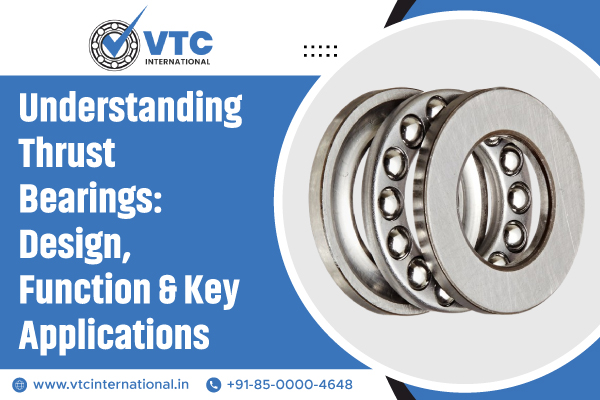
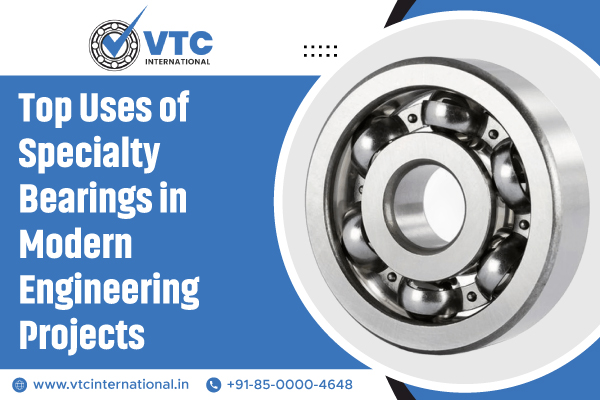
Different machines and applications require different bearing designs. Understanding the most common bearing types helps narrow down the best option for specific construction equipment.
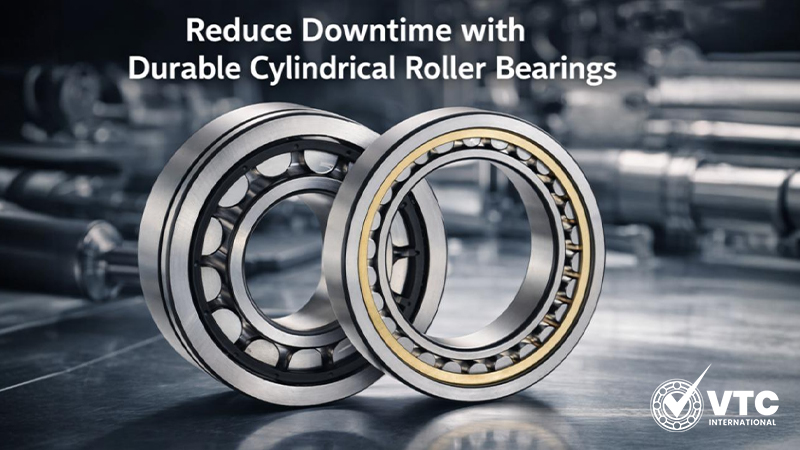
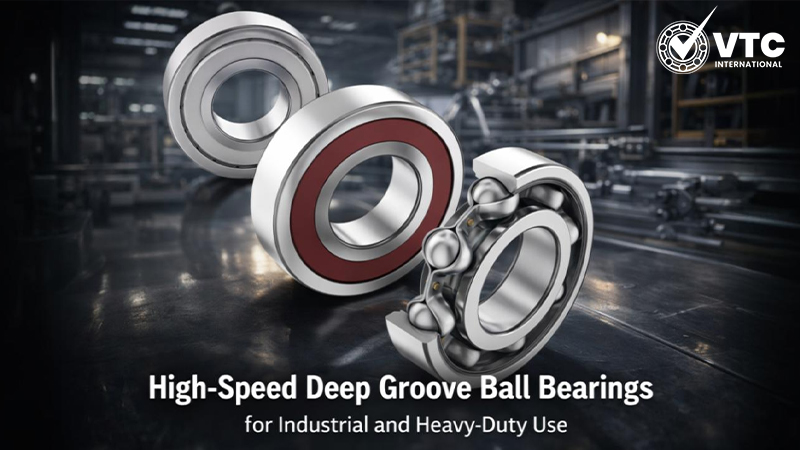
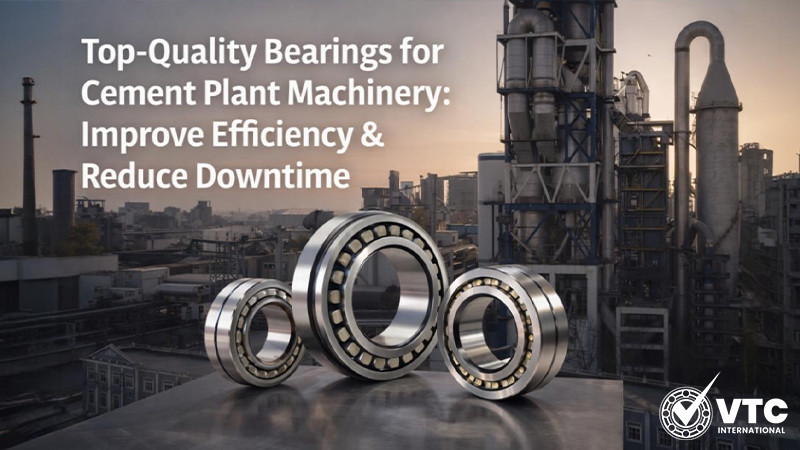
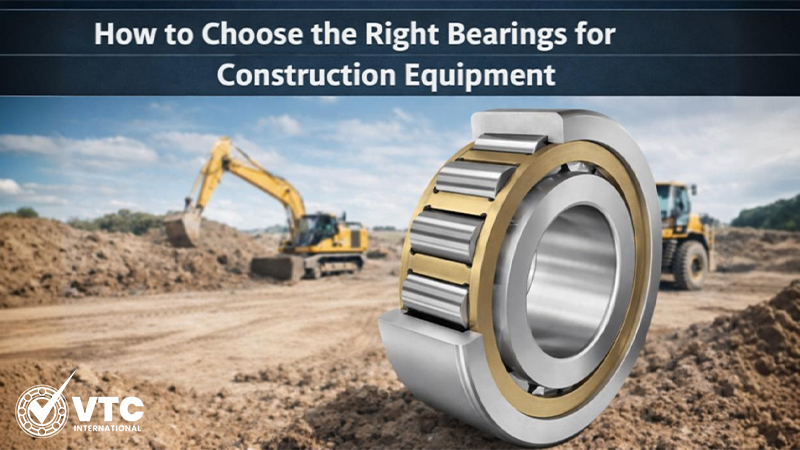
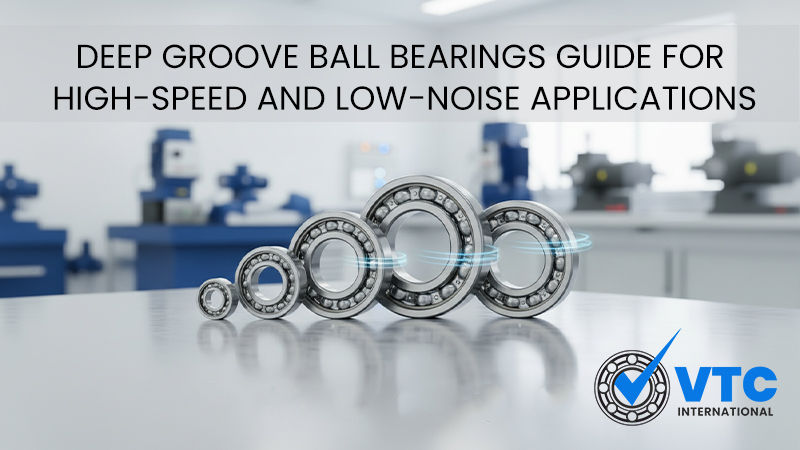
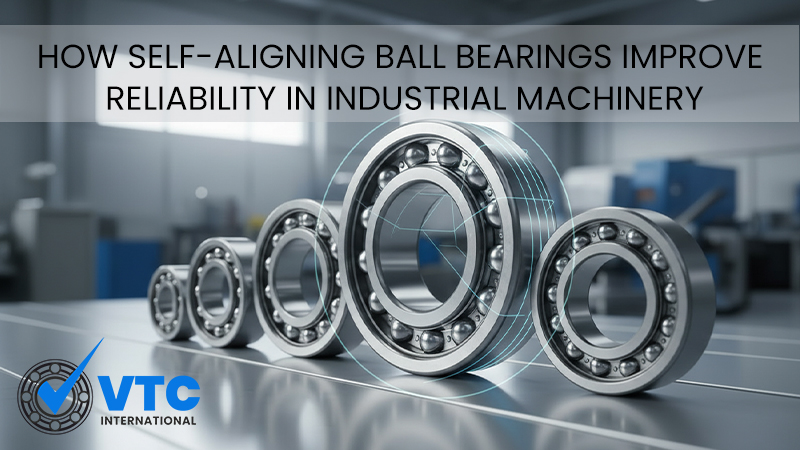
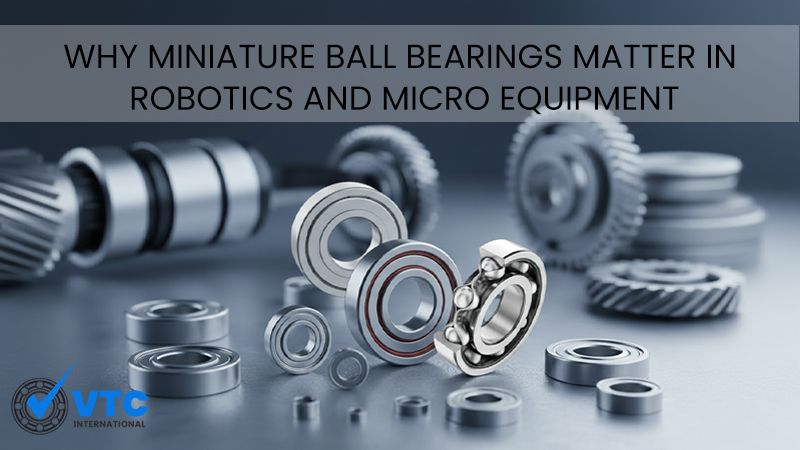
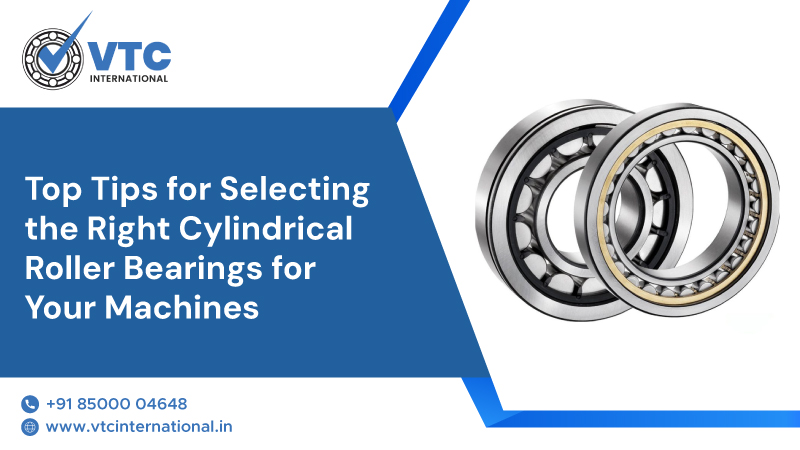
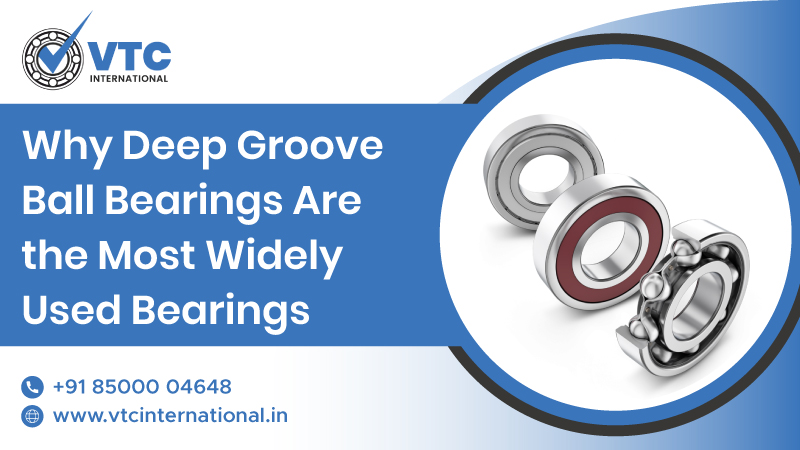
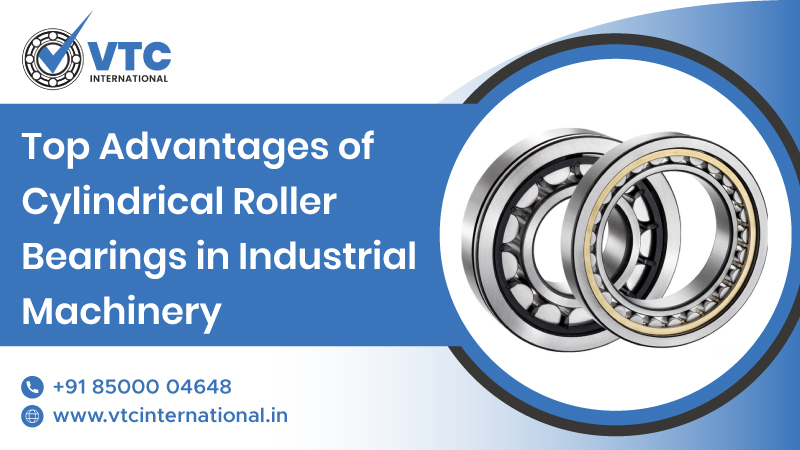
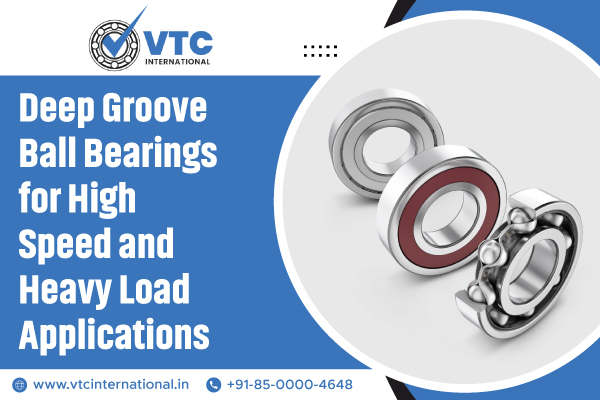
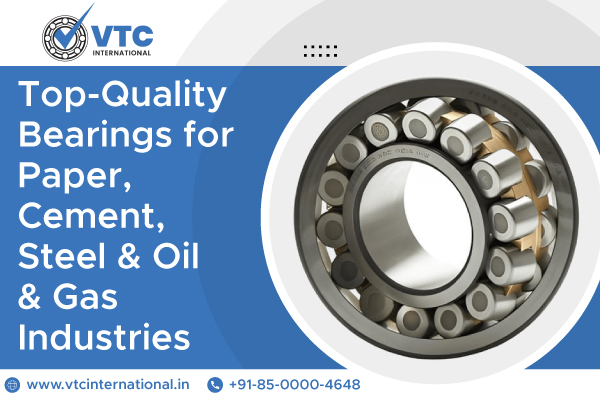
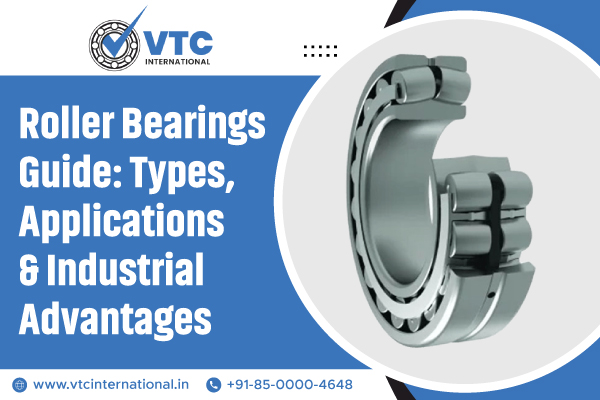
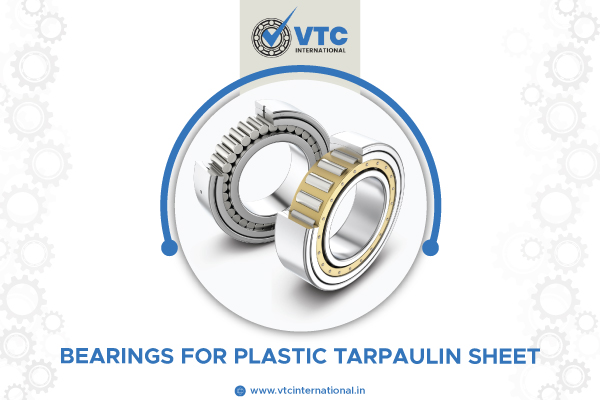
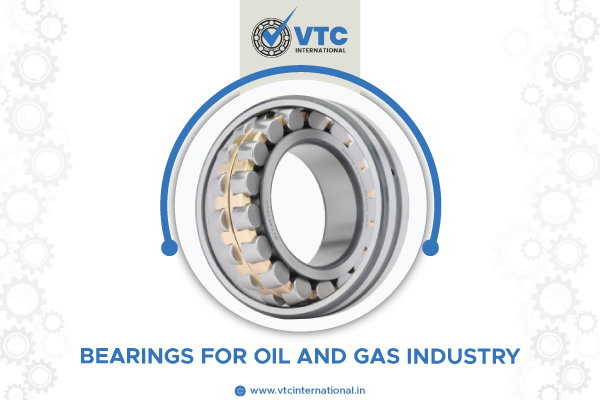
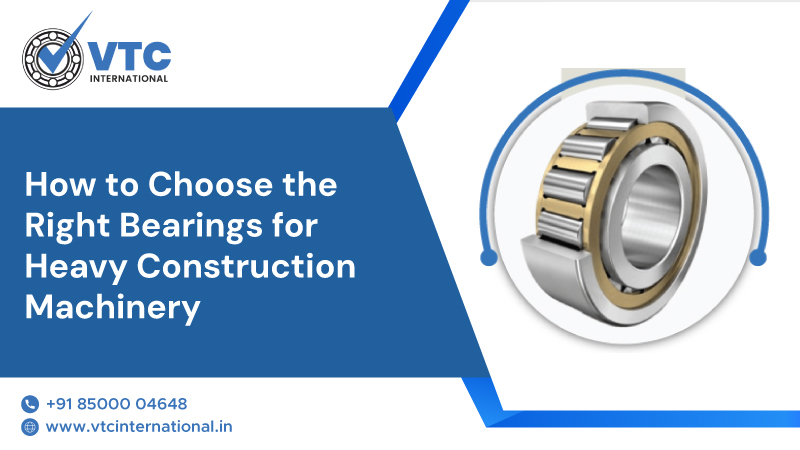
Ball bearings are widely used where moderate loads and higher speeds are involved. They are commonly found in auxiliary components such as electric motors, fans, and smaller rotating assemblies. However, for heavy-duty applications, roller bearings are more suitable. Cylindrical roller bearings handle high radial loads and are often used in gearboxes and transmissions. Tapered roller bearings support combined radial and axial loads, making them ideal for wheel hubs, axles, and drive systems. Spherical roller bearings accommodate misalignment and heavy loads, which is especially valuable in vibrating equipment like crushers and screens. In the Bearings for Construction and Mining Industry, bearing choice directly affects operational stability. Machines exposed to shock loads and uneven surfaces benefit from bearing designs that tolerate misalignment and structural deflection without compromising performance.
Load Capacity and Operating Conditions
Load analysis is one of the most important steps in selecting construction machinery bearing. Bearings experience radial loads, axial loads, or a combination of both. Understanding the magnitude, direction, and variation of these loads help determine the appropriate bearing type and size. Heavy construction equipment often faces fluctuating loads due to digging, lifting, or hauling operations. Bearings must handle peak loads without deformation or surface damage. Selecting bearings with an adequate safety margin improves reliability and service life. The Construction Industry Bearing must also match operating speed requirements. While many construction machines operate at relatively low speeds, torque levels are high. Bearing internal geometry and materials should support this balance without generating excessive heat or friction.
Environmental Factors and Contamination Resistance
Construction sites expose machinery to dust, mud, water, chemicals, and debris. These contaminants can enter bearing assemblies and cause premature failure if not properly addressed. Bearing seals, shields, and housing design play a crucial role in protecting internal components. Sealed or shielded bearings reduce contamination ingress and lubricant loss. For extremely harsh environments, additional sealing systems or protective housing are often required. In open or heavily contaminated applications, relubrication intervals must be carefully planned. Within the Bearings for Construction Industry, contamination resistance is often more critical than speed capability. Bearings that withstand abrasive particles and moisture provide consistent performance and reduce maintenance frequency.
Material Quality and Heat Treatment
Bearing materials directly influences durability, load capacity, and fatigue resistance. High-quality bearing steel with proper heat treatment improves hardness, wear resistance, and load-handling capability. For heavy construction machinery, bearings must resist surface fatigue caused by repeated high loads. Advanced manufacturing processes and controlled heat treatment result in uniform microstructure and improved rolling contact performance. These factors become especially important in the Bearings for Construction and Mining Industry, where machines operate continuously under high stress. Selecting bearings from reliable suppliers with proven material standards minimizes the risk of early failure and unexpected maintenance costs.
Bearing Size, Fit, and Installation Accuracy
Even the best bearing design will fail if installed incorrectly. Proper fit between the bearing, shaft, and housing is essential for load distribution and rotational accuracy. Incorrect fitness can lead to excessive clearance, slippage, or internal stress. Installation procedures should follow manufacturer guidelines, using correct tools and methods. Heating bearings for mounting or using hydraulic techniques improve accuracy and reduce the risk of damage. In heavy construction machinery, installation precision directly affects bearing life and machine reliability. For the Bearings for Construction Industry, professional installation and alignment are just as important as bearing selection itself.
Application-Specific Bearing Selection
Each construction machine presents unique operational challenges. Excavators require bearings that handle oscillating motion and heavy loads. Cranes need bearings that support combined loads with high safety margins. Road construction equipment demands bearings that tolerate vibration and contamination. Understanding application-specific demands allows engineers and maintenance teams to choose bearings that match real-world operating conditions. In the Bearings for Construction and Mining Industry, customized bearing solutions often provide better performance than generic options.
Why Choose Us
VTC International focuses on supplying reliable bearing solutions that match the real demands of heavy construction machinery. With a strong understanding of application-specific requirements, VTC International supports customers by offering bearings designed for load strength, durability, and long service life. The company prioritizes product quality, technical guidance, and consistent supply, helping construction businesses maintain productivity and reduce downtime. By working closely with clients, VTC International delivers bearing solutions that align with performance expectations and operational challenges across diverse construction environments.
Conclusion
Selecting the right bearings for heavy construction machinery requires careful evaluation of load conditions, environment, material quality, lubrication needs, and installation accuracy. Bearings operate at the core of machine reliability, directly influencing productivity and operating costs. By choosing bearings designed for demanding applications and sourcing them from trusted suppliers, construction businesses improve equipment life and performance. VTC International supports these goals by offering dependable bearing solutions aligned with industry requirements. A well-chosen bearing strategy reduces downtime, enhances safety, and contributes to long-term operational success across construction projects.
For expert guidance on Right Bearings for Heavy Construction Machinery Call +91 8500004648 or email sales@vtcinternational.in.
key takeaways: –
- Bearings Are Critical for Machine Reliability – They reduce friction, support heavy loads, and enable smooth operation, directly impacting productivity, safety, and equipment lifespan.
- Choose Bearings Based on Application and Load Conditions – Different machines require specific bearing types (roller, tapered, spherical) to handle radial, axial, or combined loads efficiently.
- Environmental Resistance Matters – Bearings in construction machinery must withstand dust, moisture, vibration, and temperature extremes; sealed or shielded designs help ensure longevity.
- Material Quality, Lubrication, and Installation Are Key – High-grade bearing steel, proper heat treatment, suitable lubrication, and accurate installation significantly extend service life and reduce downtime.
- Partnering with a Trusted Supplier Improves Efficiency – Working with experienced suppliers like VTC International ensures access to high-quality bearings, technical guidance, and reliable supply for heavy-duty construction machinery.
FAQs
Why are bearings critical in heavy construction machinery?
Bearings support heavy loads, reduce friction, allow smooth machine movement, directly affecting equipment reliability and operational efficiency.
Which types of bearing are commonly used in construction equipment?
Roller bearings, tapered roller bearings, and spherical roller bearings are widely used due to their load-handling capacity and durability.
How does the environment affect bearing selection?
Dust, moisture, vibration, and temperature extremes require bearings with strong sealing, proper lubrication, and high material quality.
How often should construction machinery bearings be maintained?
Maintenance frequency depends on operating conditions, load levels, and contamination exposure, but regular inspection improves bearing life.
Why choose VTC International for construction industry bearings?
VTC International offers application-focused bearing solutions, consistent quality, and technical support tailored to heavy construction machinery needs.