


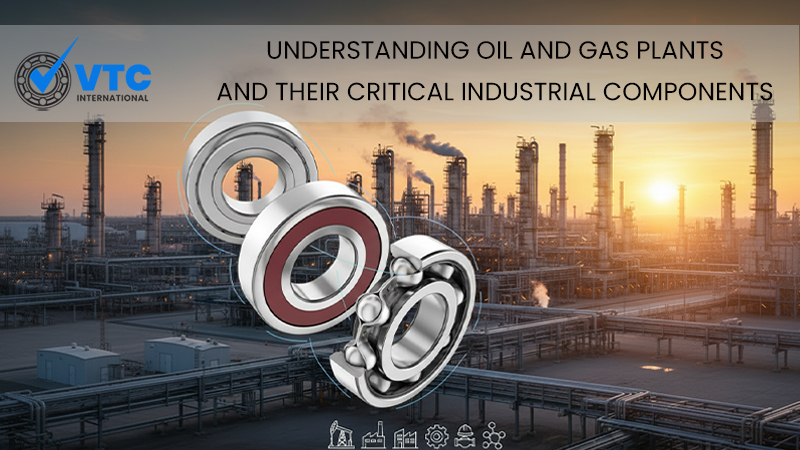
Oil and gas business is one of the most intricate and capital intensive businesses in the world. Oil and gas plants are intense operations where exploring and drilling are conducted, refining and distribution is done, corrosion conditions are maintained and cycles of operation are on-going. Any plant relies on an interdependence of industrial parts that collaborate accurately. One failure will cause disruption of production, and more time and safety hazards. This is the reason why the operations, engineers and procurement teams as well as decision makers in the industry should grasp the knowledge about oil and gas plants and critical industrial components.
At VTC International we are interested in providing quality industrial solutions that are in tandem with the challenging needs of the oil and gas plants. The elements that are involved such as pumps, compressors, valves, turbines, and bearings have the center stage in terms of ensuring efficiency and stability in operations. Of them, bearings continue to be one of the most essential and yet highly undervalued elements, which hold heavy loads, increase friction, and provide natural movement of rotating machinery.
Overview of Oil and Gas Plants
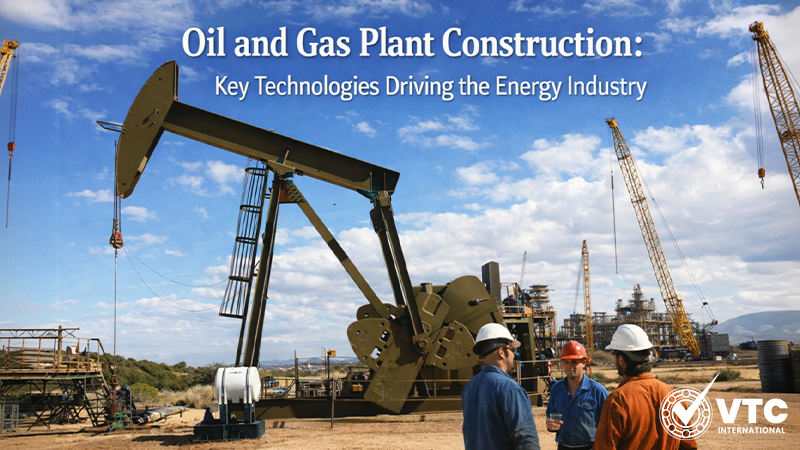
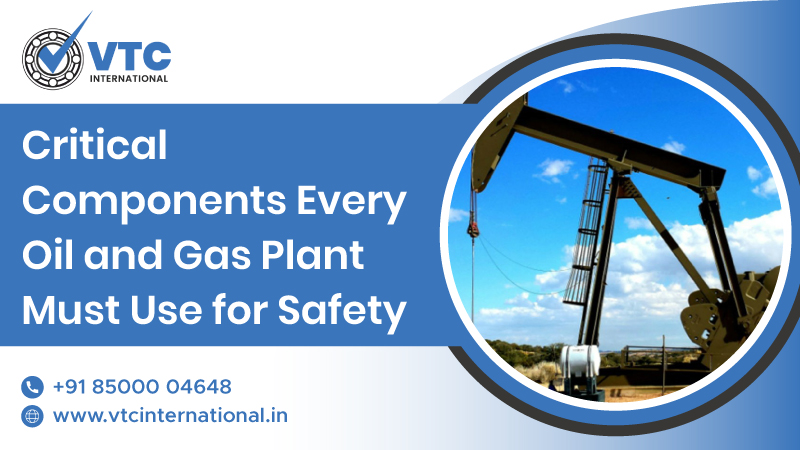
Oil and gas plants are generally classified as upstream, midstream and downstream operations. All the stages are equipped with specialized equipment and systems that perform particular tasks. Upstream operations are the activities that involve exploration and production. This involves drilling rigs, wellheads and extraction systems that transfer crude oil and natural gas that are found under the surface of the earth. Such environments subject the machinery to extreme pressure, abrasive particles and varying loads.
Middle operations are concerned with transportation and storage. Raw hydrocarbons are transported over a long distance in pipelines, pumping stations, and compression facilities. Constant functionality and dependability are essential in this case, and interruptions may affect supply chains. Downstream operations include refining crude oil to the finished products and refining gas to be distributed. The refineries and petrochemicals involve complex rotating machinery that run at high speed and temperature. Accuracy parts are needed to ensure the consistency of production and quality of products.
Across all these stages, oil and gas plants depend heavily on industrial components that can handle extreme conditions without compromising performance.
Importance of Critical Industrial Components in Oil and Gas Plants
The operations of oil and gas plants are based on the industrial components. They transform energy, regulate flow, and regulate pressure as well as assist mechanical movement. The productivity of plants, safety, and costs of their lifecycle directly depend on the performance of these components.
Fluids and gases are transported with the help of pumps and compressors through the pipelines and processing units. Valves are used to direct flow and isolate systems in case they are undergoing maintenance or in an emergency. Control of temperature in refining and processing is done by heat exchangers. Plant operations are generated through turbines. In each of these systems bearings assist in rotating the shafts in a controlled movement with heavy loads.
The process of choosing the components which fit into the working requirements is not only a technical but also a strategic choice. Extended service life, wear resistance, and ability to endure severe conditions are very important in oil and gas plants.
Bearings as a Core Component in Oil and Gas Plants
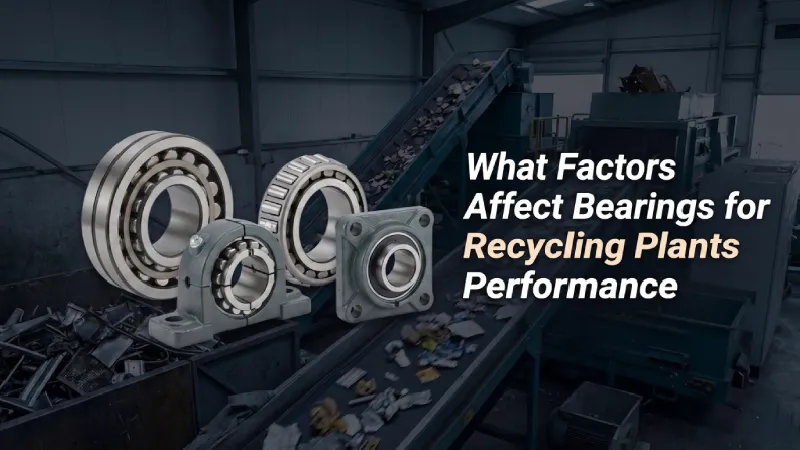
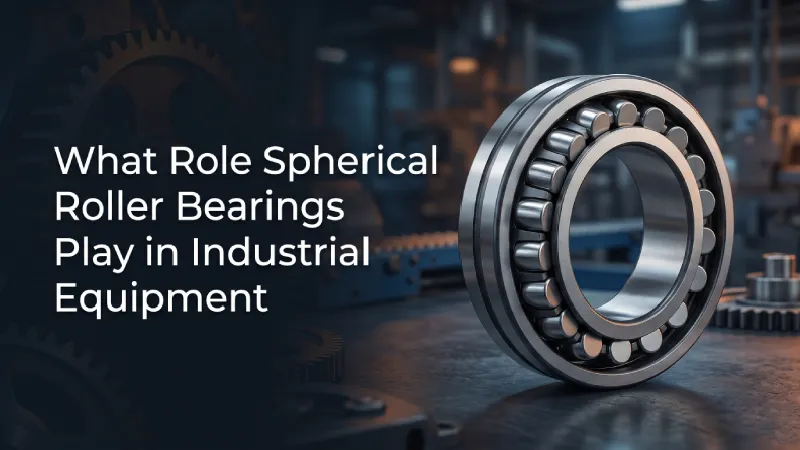
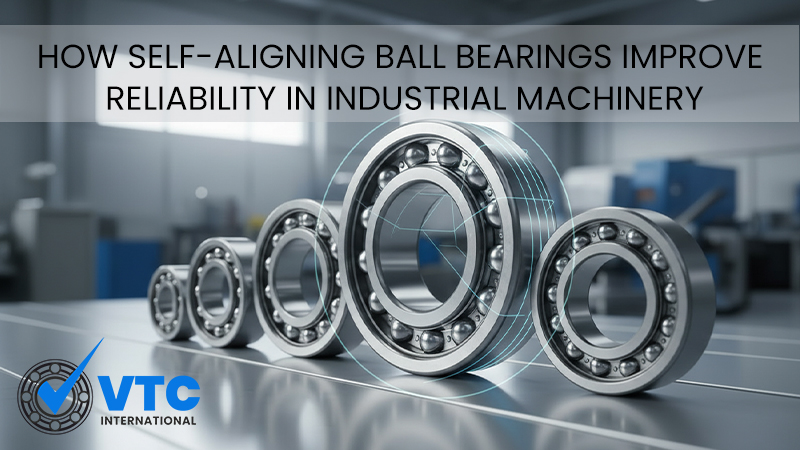
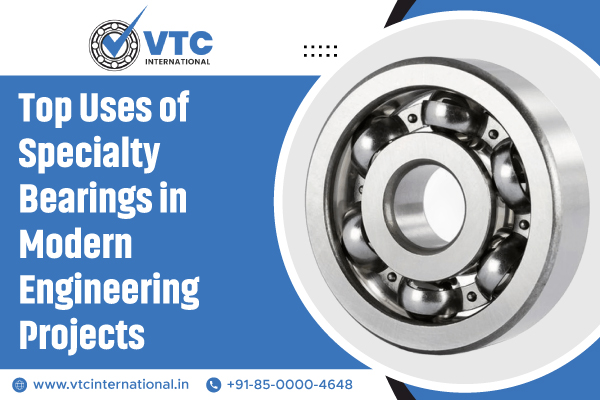
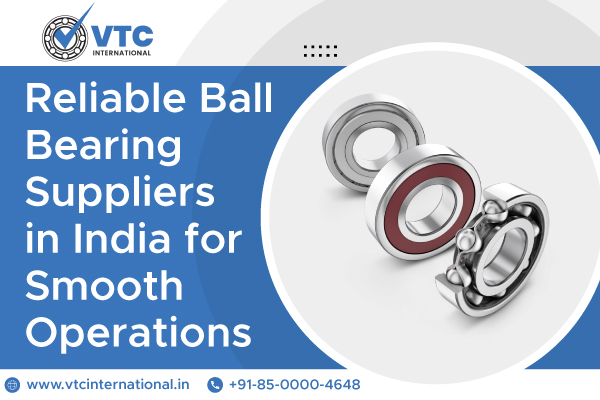
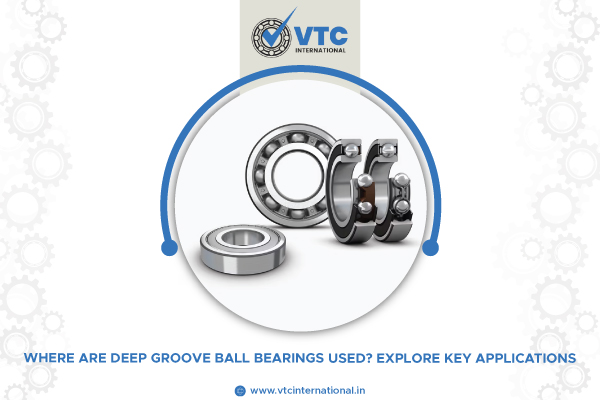
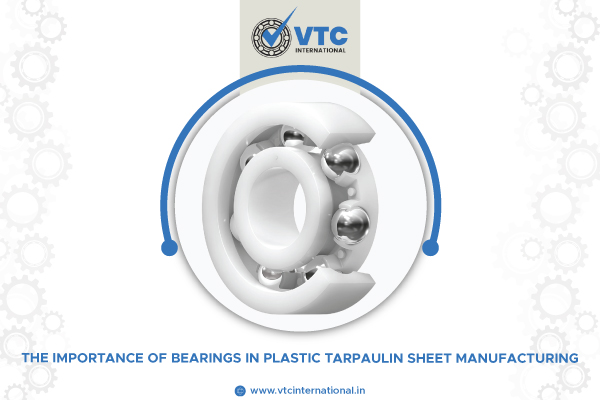
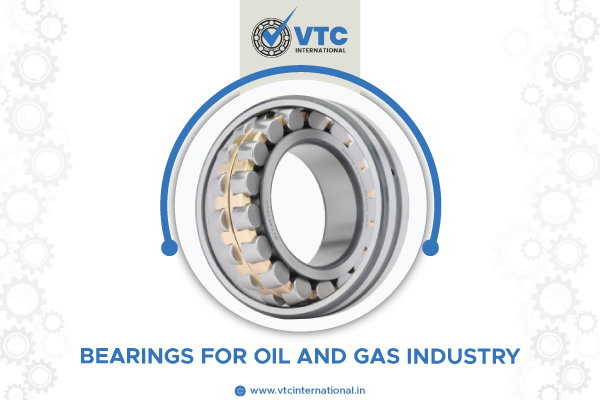
Bearings can be small relative to heavy industry equipment yet they are of critical importance. They minimize friction among parts in motion, hold radial and axial loads, as well as aid in energy conservation. Bearings are used in oil and gas plants in pumps, compressors, motors, turbines, gearboxes, and drilling equipment.
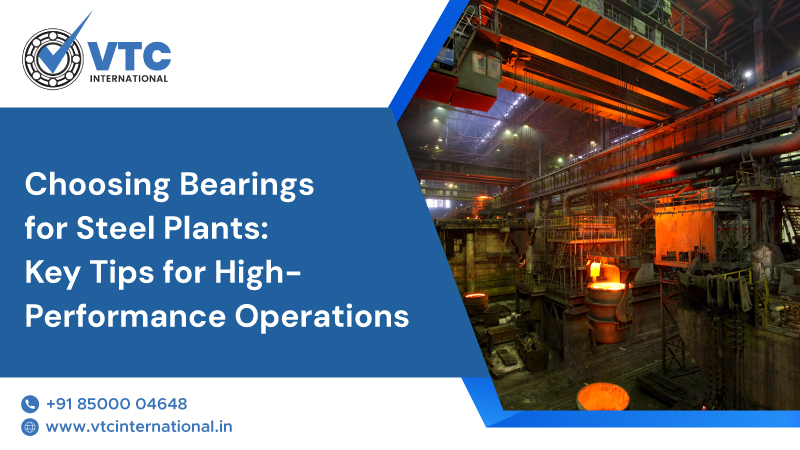
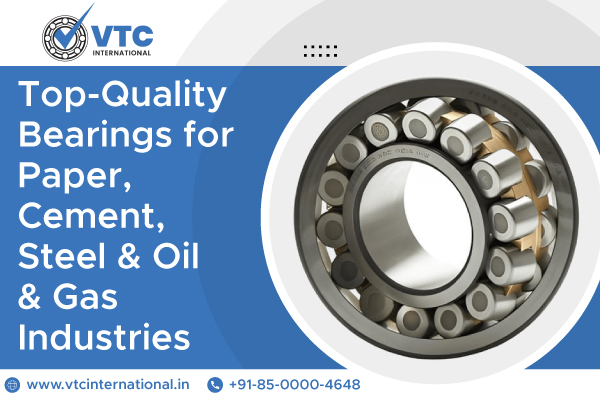
The nature of oil and gas operations presents some peculiar requirements on bearings due to the harsh conditions of the work. Advanced bearing designs and materials are needed due to exposure to high temperatures, contamination by dust or chemicals, heavy loads and constant rotation. That is why during the process of equipment selection and maintenance planning, Bearings for Oil and Gas Industry get special consideration.
India is a rapidly developing energy industry where the market of Bearings in the Oil and Gas Industry in India keeps increasing due to the development of new plants, refineries, and pipeline projects in the country. Consistent bearings facilitate continuous working conditions and assist plants to achieve their production goals without any unnecessary working hours.
Role of Bearings in Enhancing Plant Reliability
Reliability is one of the major concerns of the oil and gas plants, where unavailability may result in substantial losses. Bearings are very crucial in sustaining the equipment’s performance. Well-designed and mounted bearings lead to decreased vibration, less wear, and steady rotation.
Bearings deal with changing loads and severe conditions in upstream drilling processes. They serve to assist pumps and compressors in systems of midstream pipelines. In downstream refineries, bearings ensure high accuracy in high speed machines.
In the case of Indian oil and gas projects, procurement of high quality Bearings in Indian Oil and Gas Industry aids in harmonizing the operating conditions, regulatory standards, and the efficiency of the supply chains in India. Good bearing performance helps in ensuring a long life of equipment and maintenance schedules.
Industrial Standards and Quality Requirements
The oil and gas plants are run under harsh international and national standards. Components are required to be in line with safety, quality and performance requirements. Bearings employed in critical applications usually satisfy industry requirements in the load carrying capacity, material quality, and dimensional precision.
In the case of the Indian market, Bearings of oil and gas industry in India will have to conform to the global standards and local project demands. Trusted suppliers realize these expectations and assist customers with technical instructions and documentation.
Why Choose Us
We are knowledgeable of the industry, product experts with a customer-centric approach to each interaction. We have a feel for the operational problems encountered by the oil and gas plants and match our solutions with the reality of the industrial needs. We are targeting quality elements, technical support and long term partnerships in order to ensure that our clients have reliable operations and the best performance. Having been applied in various industries, VTC International is able to provide oil and gas projects with reliable solutions that meet the harsh environment.
Conclusion
The oil and gas plants are based on very intricate systems of industrial elements that operate in tandem conditions. Among these bearings is important in sustaining rotating machinery, friction and reliability in upstream, midstream and downstream operations. The appropriate choice of Bearings in the Oil and Gas Industry helps with providing stability to the operations, minimization of downtime, and long life of the equipment. Bearings for Oil and Gas Industry in India has been playing a key role in the growing energy industry in India as the company aims to address the demands in generation and safety. Oil and gas plants with the right ingredients and professional assistance will be consistent in performance and value in the long run.
To learn more about Understanding Oil and Gas Plants Call +91 8500004648 or email sales@vtcinternational.in.
Key Takeaways
- The work of oil and gas plants should be done with precision and never with a margin: Here extreme pressure, heat and continuous working are the norm. All the elements of the industry should work well, as a single malfunction can result in the termination of the whole mechanism.
- The operations rely on the Industrial Components: Pumps, compressors, valves, turbines, and heat exchangers do not operate separately. They depend on each other. In case of failure of one weak link, productivity and safety are both compromised.
- Silently Carries the greatest Responsibility: Rotating equipment is supported by bearings in the upstream, midstream, and downstream operations. They minimize friction, move heavy weight and ensure smooth running of machines in harsh conditions.
- Extreme Environment requires Special Bearing Solutions: Hot temperatures, contamination, corrosive mediums and constant loads imply that standard bearings do not last long. Oil and gas bearing should be chosen on the basis of material quality, load carrying capacity and sealing.
- Reliability Growth through the Right Choice and Support: Effective bearing selection, conditions based maintenance and maintenance scheduling leads to less downtime and an increased life of equipment. In high rate development of the energy initiatives particularly in India, reliable components enable the longevity of performance.
FAQs
So, what is the use of bearings in oil and gas plants?
Bearings facilitate rotation, decrease friction, support heavy loads and help in making plant operations reliable and effective.
What are some of the bearings that are usually employed in oil and gas applications?
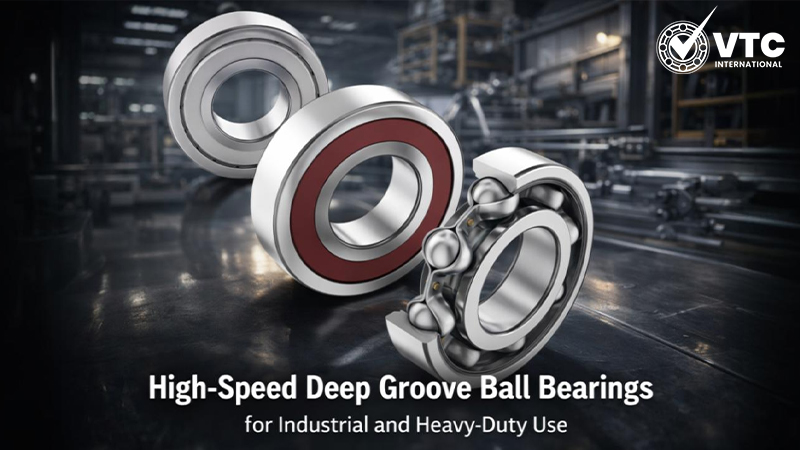
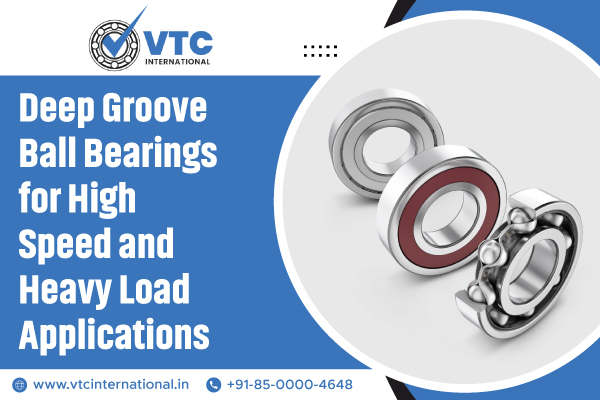
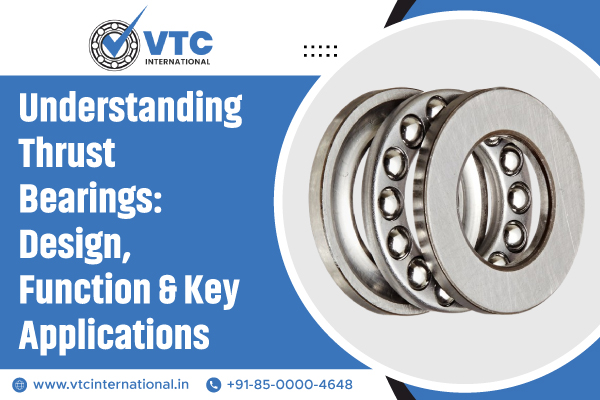
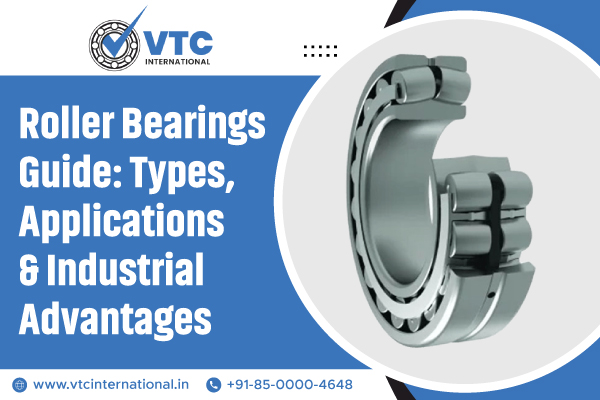
Ball bearings, roller bearings, thrust bearings and specialty bearings are extensively applied based on load, speed, and operating conditions.
What are the impacts of the harsh environments on bearings when working in an oil and gas plant?
Hot, pressured, contaminated and corroding environments contribute to wear and as such, the quality of materials and well-kept maintenance requirements become crucial.
What is the reason of increasing demand of Bearings of Oil and Gas Industry in India?
Growth of refineries, pipelines and energy infrastructure all over India leads to the need of quality industrial parts.
What does VTC International contribute to the oil and gas project?
VTC International delivers quality products, technical skills, and industry oriented solutions in accordance with the oil and gas operational requirements.