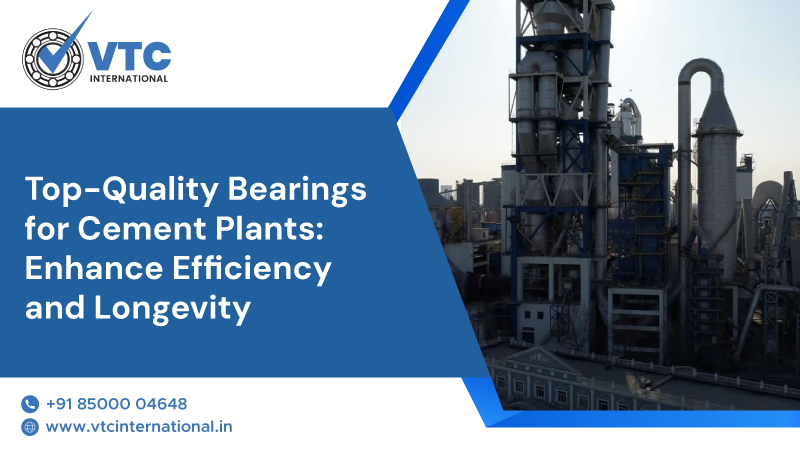


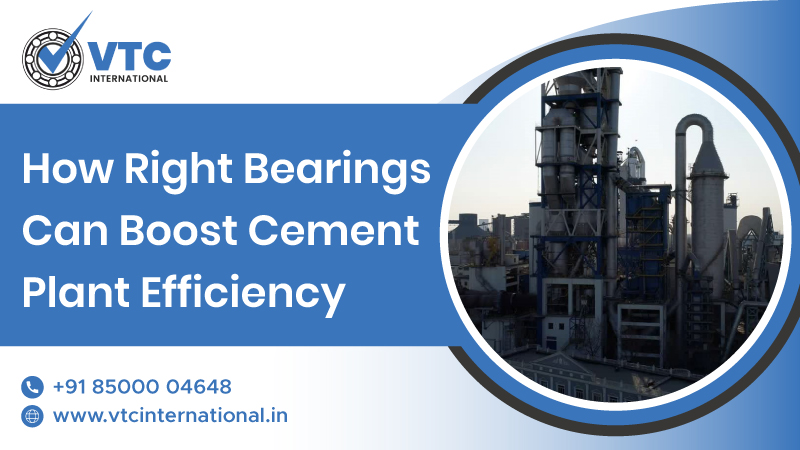
Cement plants operate in some of the most demanding industrial environments, where heavy loads, high temperatures, dust, and continuous operations are part of daily reality. In such conditions, even a small component can significantly influence overall plant performance. Bearings play a critical role in keeping cement plant machinery running smoothly, efficiently, and reliably. From crushers and conveyors to kilns and mills, the right bearing selection directly impacts productivity, maintenance costs, and operational uptime. This blog explores how choosing the right bearings can dramatically improve cement plant efficiency, reduce downtime, and support long-term operational stability, with a focused discussion on Bearing for Cement Industry applications.
Understanding the Role of Bearings in Cement Plant
In cement plants, bearings are everywhere. They are used in material handling, grinding, clinker work, and packing. Each stage is hard on bearings. Loads are heavy. Vibration is constant. Dust gets inside. Heat is high. A bearing made for cement work helps machines run steadily. It keeps parts aligned under stress. When a bearing fails, problems add up fast. Machines stop. Parts get damaged. Repairs cost more. So bearing choice matters. It is not a simple bu
Common Challenges for Cement Plant Bearings
- Cement plants are rough environments. Fine dust and grit wear parts down.
- High heat near kilns breaks down grease. Crushers and mills create shock loads all day.
- Using the wrong bearing leads to short life. Vibration increases. Machines wear out faster.
- That is why general-purpose bearings often fail here. Cement plants need bearings built for this work.
How Right Bearings Improve Efficiency
Good bearings reduce friction. That cuts energy use. Machines respond better and run smoother. Loads spread evenly, so shafts and housing last longer. Small gains here add up overtime.
Impact on Maintenance and Downtime
Maintenance costs are high in cement plants. When bearings fail often, shutdowns increase. Labor and spare parts add up. The right bearing lasts longer and behaves predictably. Maintenance teams can plan work instead of reacting to breakdowns. That means fewer emergency stops and steadier production.
Bearing Types Commonly Used in Cement Plants
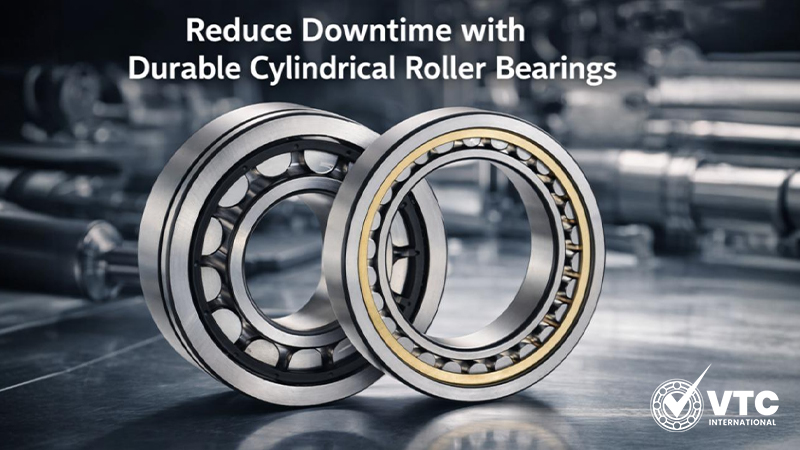
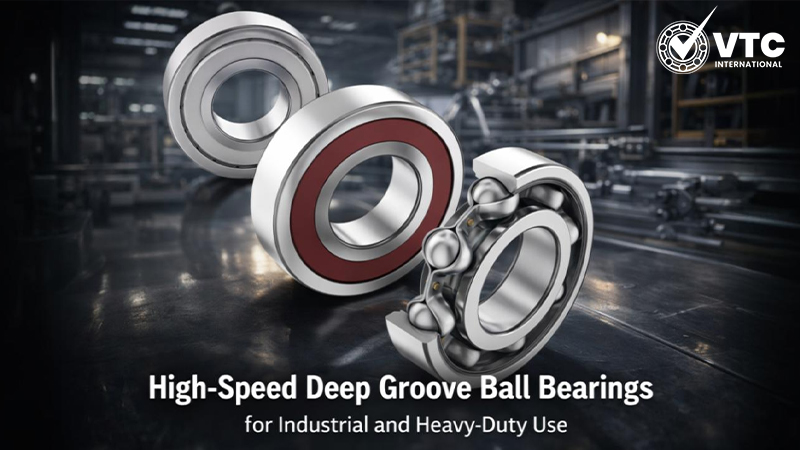
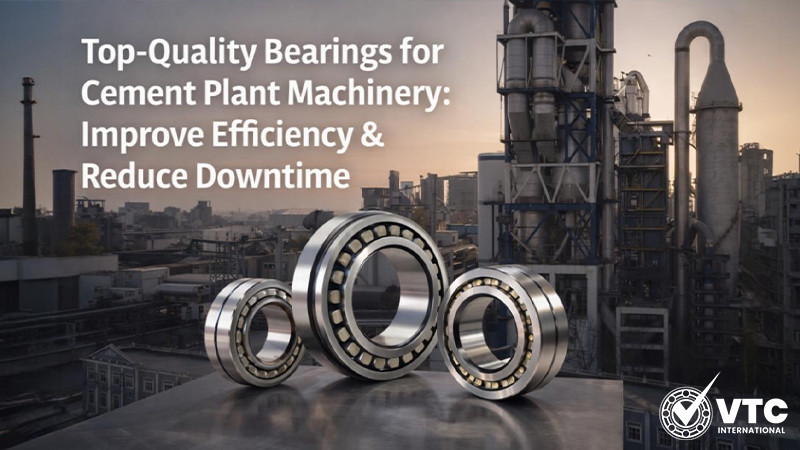
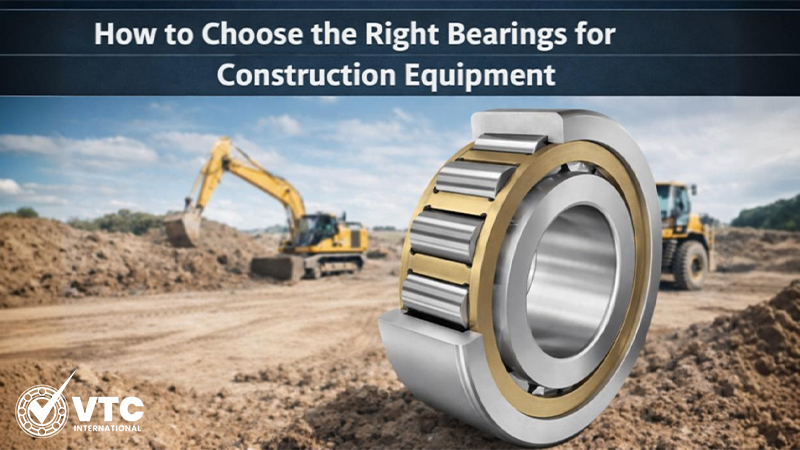
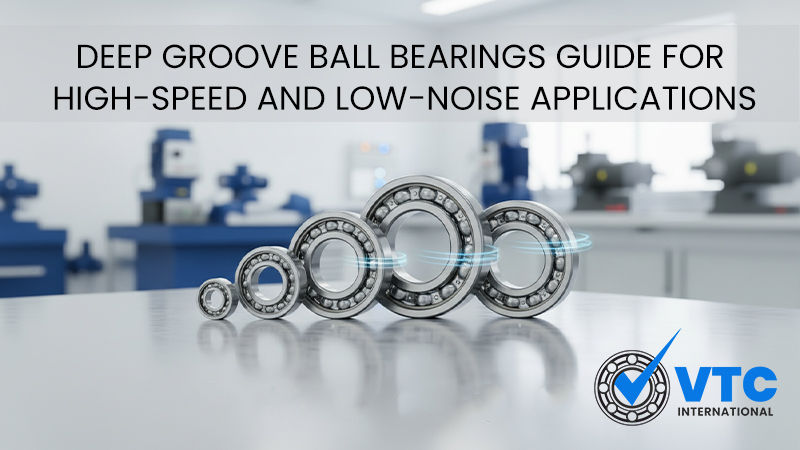
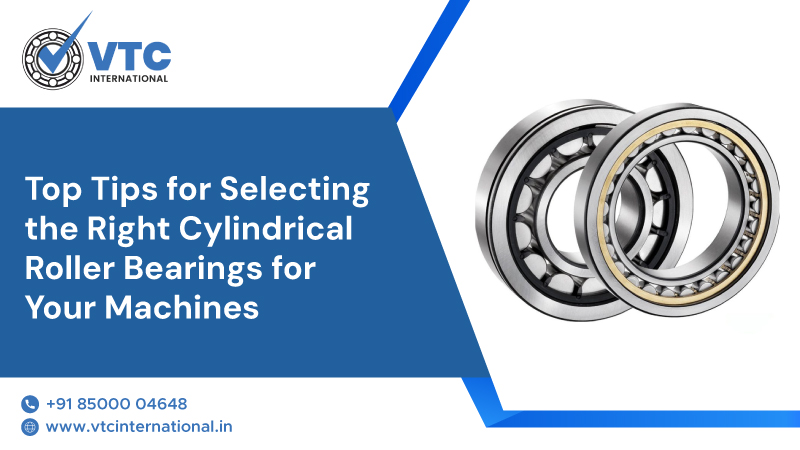
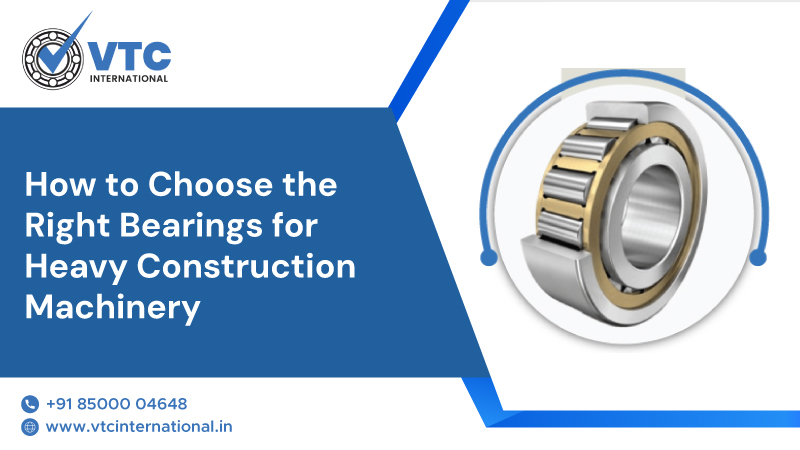
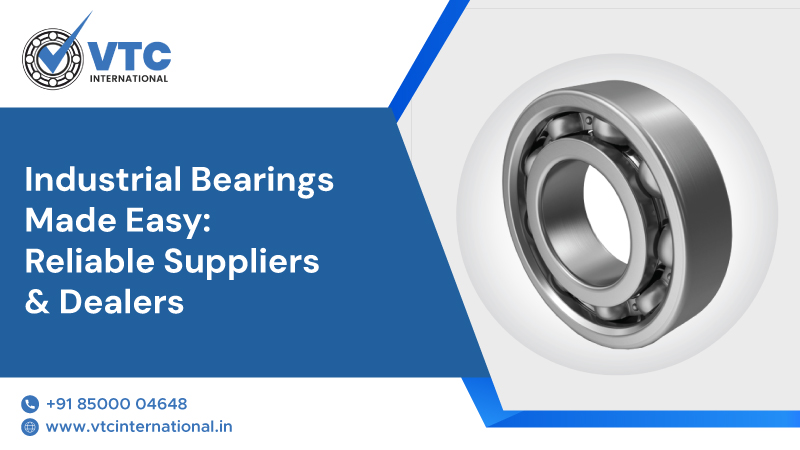
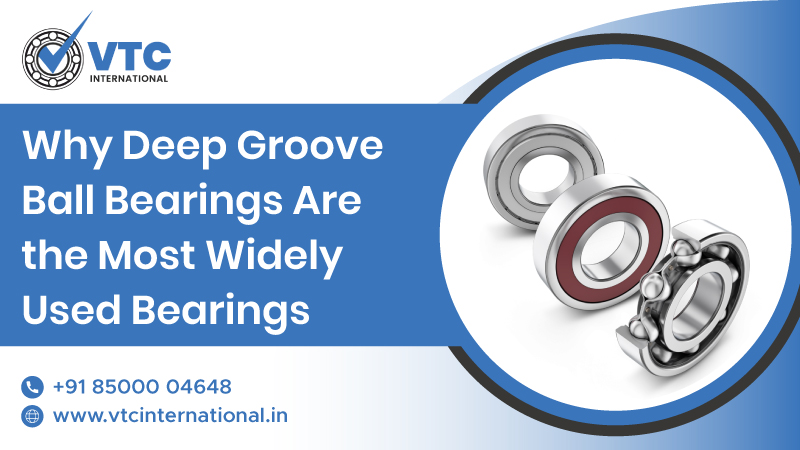
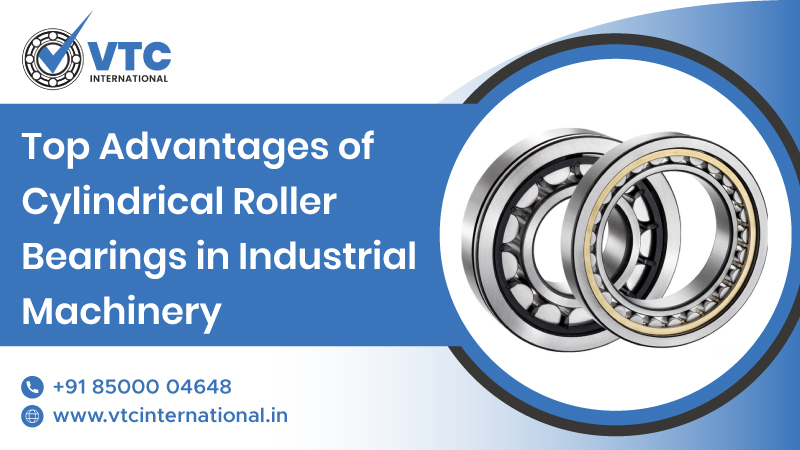
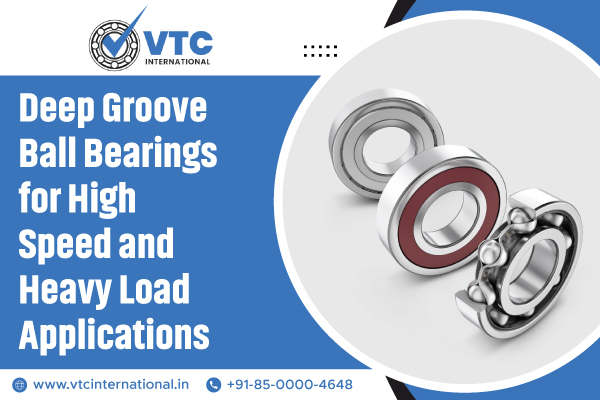
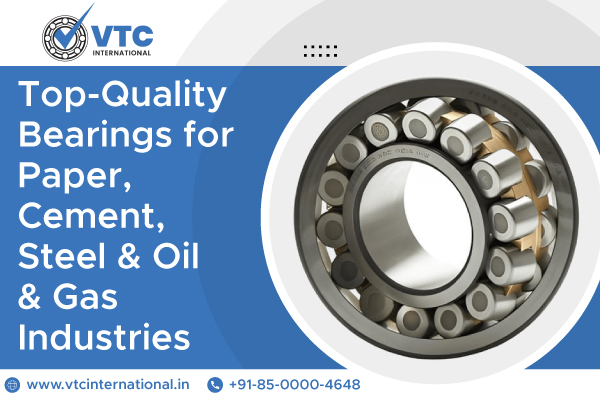
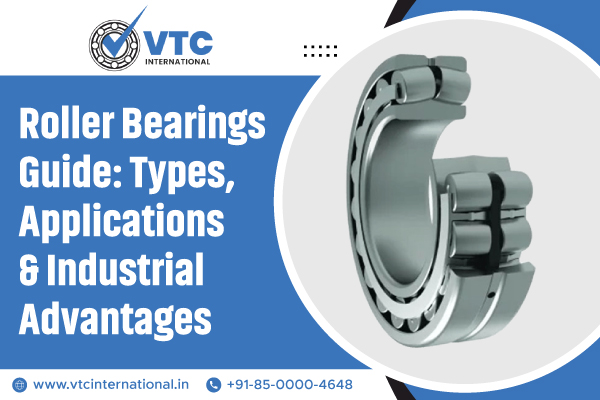
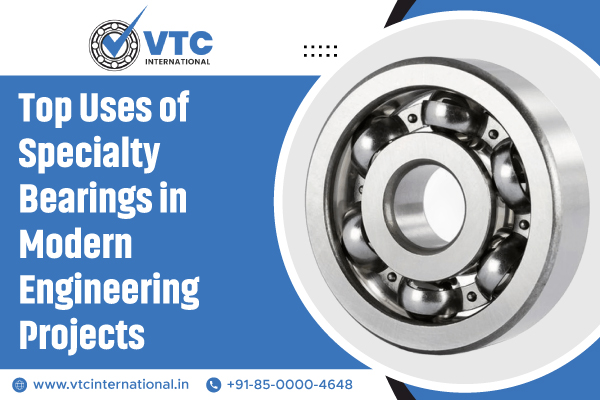
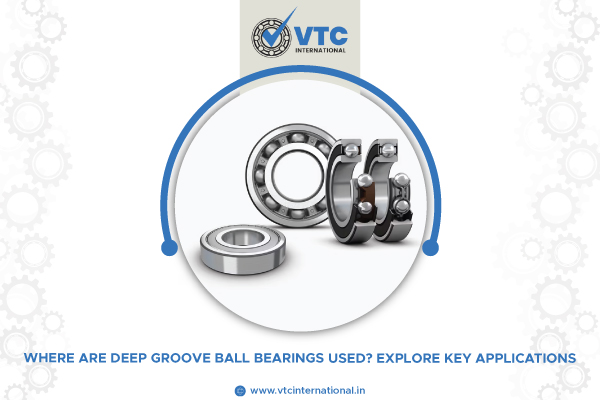
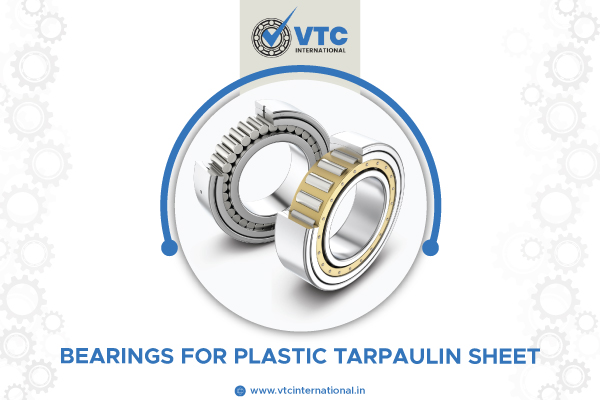
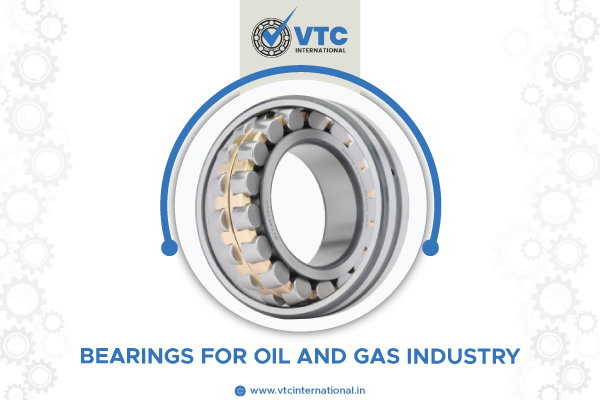
Different stages of cement production require different bearing types. Spherical roller bearings are widely used in heavy-load applications such as crushers and mills. Deep groove ball bearings are common in motors and fans where speed and efficiency matter. Cylindrical roller bearings handle high radial loads in gearboxes and conveyors.
Choosing the correct Bearing for Cement Industry application involves understanding load direction, speed, temperature, and contamination levels. Using the wrong type can compromise equipment reliability and overall plant efficiency.
Importance of Load Capacity and Durability
Cement plant machinery often operates under constant heavy loads. Bearings must handle these forces without deformation or excessive wear. High load capacity bearings distribute stress evenly, reducing the risk of premature failure.
A durable Bearing for Cement Industry application supports continuous operations without frequent intervention. Durability also means better resistance to shock loads, which are common during material crushing and grinding processes.
Role of Lubrication and Sealing in Bearing Performance
Lubrication plays a vital role in bearing performance. Proper lubrication reduces friction; controls heat and protects against corrosion. In cement plants, contamination from dust makes sealing equally important.
High-quality Bearing for Cement Industry solutions often include advanced sealing designs that prevent dust ingress while retaining lubrication. This combination extends life bearing and maintains consistent performance even in harsh environments.
Energy Efficiency and Cost Savings
Energy consumption is a major operational cost in cement plants. Bearings with optimized internal geometry and surface finishes reduce frictional losses. This leads to lower power consumption across motors, fans, and conveyors.
Using an efficient Bearing for Cement Industry application contributes to measurable energy savings over time. Reduced friction also means less heat generation, which further improves system stability and component life.
Enhancing Equipment Reliability and Safety
Equipment reliability is directly linked to plant safety. Unexpected bearing failures can cause sudden stoppages, material spills, or mechanical damage. Reliable bearings reduce these risks and support safer plant operations.
A well-chosen Bearing for Cement Industry solution maintains alignment and smooth rotation, reducing the likelihood of secondary failures. This improves not only productivity but also worker safety across the plant.
Why Bearing Selection Should Be Application-Specific
No two cement plant applications are exactly the same. Factors such as load variation, operating speed, environmental exposure, and maintenance practices differ across equipment. This makes application-specific bearing selection essential.
Selecting a Bearing for Cement Industry application based on actual operating conditions leads to better performance and longer service life. Generic choices may appear cost-effective initially but often result in higher long-term expenses.
Why Choose Us
VTC International stands out as a trusted partner for cement plant bearing solutions due to its deep understanding of industrial requirements and application-specific needs. VTC International focuses on providing reliable bearing solutions that align with real operating conditions in cement plants. With a strong emphasis on product quality, technical guidance, and consistent supply, VTC International supports clients in improving equipment performance and reducing downtime. By working closely with maintenance and procurement teams, VTC International helps cement plants select the right bearing solutions that contribute to efficiency, durability, and long-term operational stability.
Conclusion
Bearings may appear to be small components, but their impact on cement plant efficiency is substantial. From reducing friction and energy consumption to minimizing downtime and maintenance costs, the right bearing selection plays a decisive role in overall plant performance. Choosing a suitable Bearing for Cement Industry application improves reliability, supports continuous production, and protects critical equipment from premature failure. With application-focused selection, proper lubrication, and durable designs, cement plants can achieve higher productivity and operational stability. Partnering with experienced suppliers like VTC International further strengthens this approach, helping plants achieve long-term efficiency and dependable performance across all stages of cement production.
More information about Bearing for Cement Plant Call +91 8500004648 or email sales@vtcinternational.in
Key Takeaways
- The right bearing selection plays a major role in improving cement plant efficiency, equipment reliability, and overall production performance.
- Using application-specific Bearing for Cement Industry solutions helps reduce downtime, maintenance frequency, and unexpected equipment failures.
- High-quality bearings support heavy loads, resist dust and heat, and maintain smooth operations in harsh cement plant environments.
- Proper bearing selection contributes to lower energy consumption by reducing friction and heat generation across critical machinery.
- Partnering with experienced suppliers like VTC International supports better bearing choices, longer equipment life, and consistent plant operations.
FAQs
Why are bearings critical in cement plants?
Bearings support rotating equipment and reduce friction, directly affecting machine efficiency, reliability, and lifespan in cement plant operations.
Which bearing types are commonly used in cement plants?
Spherical roller bearings, cylindrical roller bearings, and ball bearings are widely used based on load, speed, and application requirements.
How does bearing selection affect energy consumption?
High-quality bearings reduce friction and heat generation, leading to lower power usage and improved energy efficiency.
What causes premature bearing failure in cement plants?
Common causes include dust contamination, improper lubrication, incorrect bearing selection, and excessive load conditions.
How can the right bearing reduce maintenance costs?
A suitable Bearing for Cement Industry application offers longer service life, predictable performance, and fewer unplanned shutdowns.